
如果你根据我在这篇博客上写的关于日本的文章数量猜到日本是我最喜欢的国家……那么,你的猜测是对的。
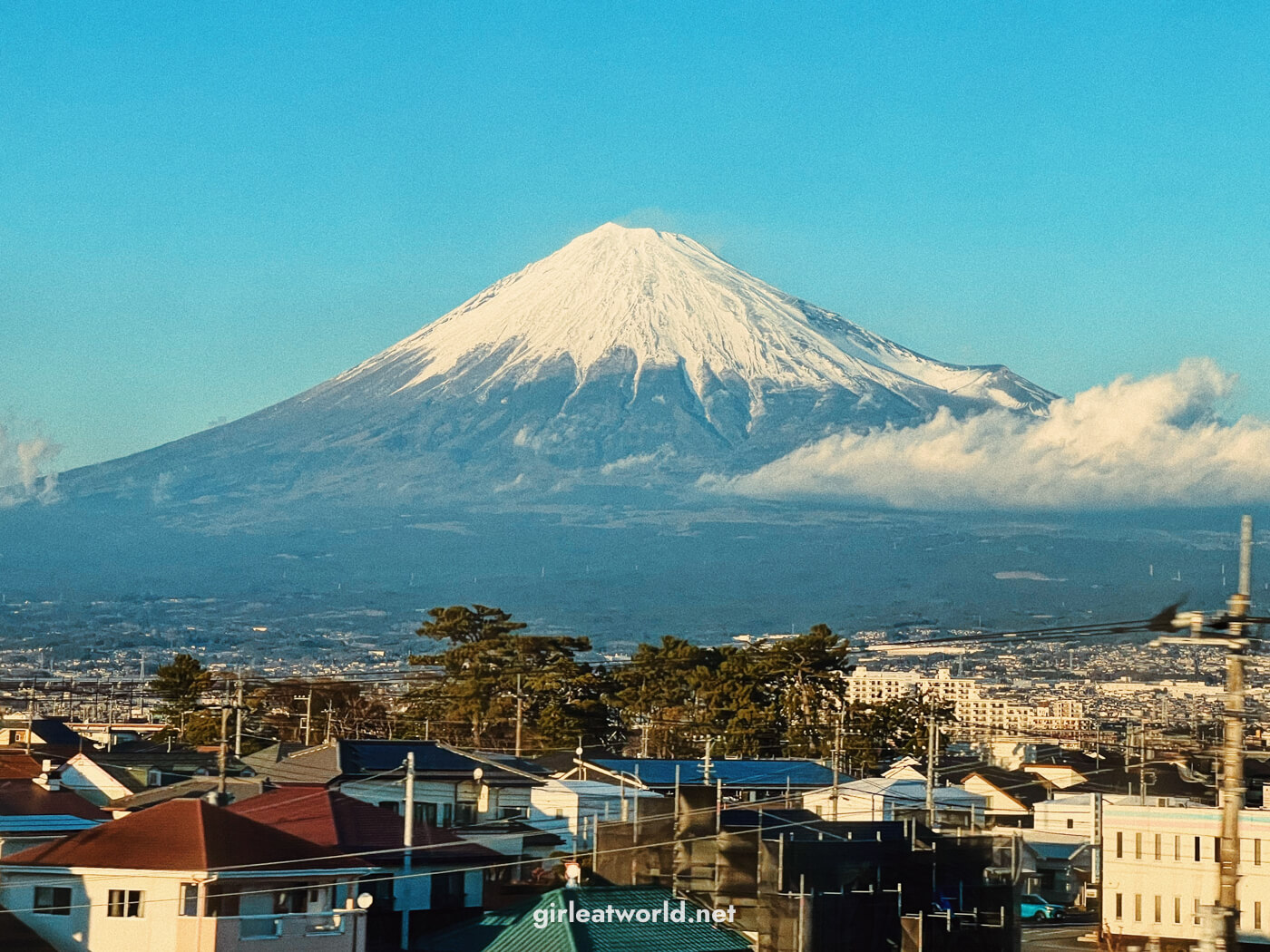
去日本旅行是我毕生的梦想。我从小就对这个国家充满好奇——我在印度尼西亚长大,每周日早上都会看日本动画,还读过无数的日本漫画书。
终于,我在2014年第一次有机会去了日本。我去了东京,并深深地爱上了这个国家。从那以后,我每年都会去日本——有时甚至一年去不止一次。这些年来,我自然而然地积累了一些在日本旅行的经验,我想在这篇文章中与大家分享!
以下是我们将要探讨的一些主题:
- 去日本之前要了解的信息
- 计划您的日本之旅
- 日本行程安排,玩什么,去哪里
- 10天黄金路线行程
- 第1至3天:东京
- 第 4 至 5 天:箱根或富士山(河口湖)
- 第6至7天:京都
- 第8天:奈良
- 第9至10天:大阪
- 日本其他值得一游的地方
- 日本吃什么
- 10天黄金路线行程
首次赴日游客的通用建议
我认为日本本身就是一个很容易游览的国家,但我还有一些小贴士,可以让你的日本之旅更加轻松:
1.下载日语版谷歌翻译到手机上离线使用——我学过一些基础日语,但谷歌翻译应用仍然每天都帮了我大忙。有了谷歌翻译,你可以拍下任何日语文字(无论是餐厅菜单还是指示牌),谷歌都会立即为你翻译。
2.获取数据 eSIM 卡——今年我开始在出国旅行时使用 eSIM 卡,发现它比 SIM 卡方便得多。使用 eSIM 卡,无需在手机中插入实体 SIM 卡,因此您可以保留原有的 SIM 卡,同时通过 eSIM 卡访问数据——方便多了!旅行结束后,您只需将 eSIM 卡从手机中删除即可。
购买日本数据 eSIM:我使用的是 Klook 的 eSIM—— 这是我能找到的最便宜的,而且在我整个东京逗留期间都很可靠。
3.提前预订机票——日本是世界上最热门的旅游目的地之一,提前做好计划非常值得。尤其是在东京,机票售罄的情况并不少见。
对于涩谷天空、teamLab Borderless 和 Planets等热门景点,建议提前一个月预订以确保能选到心仪的时段。部分火车票也需要提前购买,尤其是在旅游旺季(例如学校假期或樱花、红叶花期)。
 100vw, 1400px” data-lazy-src=”https://girleatworld.net/wp-content/uploads/2024/01/shibuya-sky-22.jpg” /></a><figcaption class=) 从屋顶俯瞰涩谷天空
从屋顶俯瞰涩谷天空4.学习如何妥善保管行李——在日本旅行期间需要从一个城市搬到另一个城市吗?您不必随身携带行李。您可以将行李寄送到下一个目的地,或者将其存放在投币式储物柜中。我将在下文“在日本如何处理行李”部分详细介绍。
5.购买开口程机票——如果您计划走黄金路线,购买开口程机票会很明智。例如,您可以先飞往东京(羽田机场或成田机场),然后从大阪(关西机场)离开;如果您想从大阪开始旅程,也可以反过来。这样可以节省时间和金钱,因为您无需在旅程结束时返回出发地。
 100vw, 1400px” data-lazy-src=”https://girleatworld.net/wp-content/uploads/2023/02/fuji-five-lakes-ropeway-02.jpg” /></a><figcaption class=) 从河口湖缆车到河口湖
从河口湖缆车到河口湖6.带些日元——虽然像东京和大阪这样的大城市在过去几年里对电子支付越来越友好,但它们仍然是一个以现金交易为主的社会。如果您计划去小餐馆或去大城市以外的地方,我建议每人每天携带约5000日元现金,以备日常所需。如果您的住宿尚未预付,或者您计划进行大量购物,请携带更多现金!
7.使用便利店的ATM机——日本的便利店,日语称作“konbini”,名副其实。在这里,您可以做各种各样的事情,包括使用外国银行卡取款。7-ELEVEN便利店的ATM机对游客来说最为可靠。每次取款会收取少量手续费,根据取款金额的不同,费用在110日元到220日元之间。
Wise借记卡:我使用Wise卡在日本ATM机取款,手续费极低甚至免费。点击此处了解如何在旅行中使用Wise卡。
取款时,您应该选择日元汇率而不是您的本国货币汇率,这样货币转换将由您的银行而不是ATM机完成。ATM机的汇率通常不划算。例如,如果您要取款10,000日元,而ATM机允许您选择提取10,000日元或等值的本国货币,请选择10,000日元。
8.穿舒适的步行鞋 ——在日本的大城市里,开车或打车并不常见。大多数人日常出行都依赖步行和公共交通。因此,在日本的大部分时间里,你很可能都要步行游览。所以,一定要穿舒适的、专为步行设计的鞋子,你的双脚会感谢你的!
9. 将城市的谷歌地图下载到手机上 ——这里指的不仅仅是下载谷歌地图应用。您可以将整个城市的地图下载到手机上,这样在浏览地图时就能节省流量。我建议您对计划前往的每个城市都这样做。 以下是如何将地图下载到手机的方法。
10.快速抵达日本——您知道吗?在抵达日本之前完成入境和海关手续,可以让您的入境之旅更加便捷。您可以通过名为“Visit Japan Web”的在线服务完成这些操作。我已经撰写了一篇关于如何在线完成入境和海关手续的详细指南。点击此处阅读我的“Visit Japan Web”指南!
日本免税购物
如果您以游客身份在日本指定商店购物,消费满5000日元即可享受免税优惠。日本的消费税为10%,这可是相当不错的折扣!请注意,部分商店的最低消费金额可能为5500日元,因为商品价格已包含税费。
 日本的免税标志长什么样?
您需要在商店里寻找免税标志,才能知道是否可以免税购物。此外,您还需要携带护照才能享受免税购物的优惠。具体来说,商店需要查看您护照上的入境章,以确认您确实是来日本的游客。您可以从日本旅游局网站(Visit Japan Web)获取免税购物的二维码,但是,由于日本旅游局系统比较新,部分商店可能还不接受二维码,因此我建议您目前还是携带纸质护照。
您可以购买的商品分为两类:消耗品(例如食品、饮料、化妆品等)和一般商品(例如服装、饰品、电子产品等)。如果您购买的商品属于消耗品,它们将被装入密封袋中,因为在日本禁止食用。您只能在离开日本后才能拆封。
我本人曾在优衣库、无印良品、松本清和唐吉诃德等大型商店享受过免税购物。不同商店的规定各不相同。根据我的经验,并非所有分店都提供免税服务,因此你需要事先查询你想去的门店的具体规定。例如,优衣库所有门店都提供免税服务,但无印良品只有部分门店提供。
请注意,免税购物与退税不同。免税制度是指您无需先支付消费税,然后在离境时像其他国家那样在机场办理退税。您只需在购物时支付10%的税款即可。例如,我在无印良品(Muji)购物共计5830日元,其中530日元是税款。当我告诉收银员我想享受免税购物并出示护照上的入境章后,我只需支付5300日元。
我喜欢免税制度,因为它方便得多。然而,人们发现这个制度很容易被滥用。日本计划在2026年改为退税模式,届时游客可能需要在离境前办理退税手续。
在日本搬运行李
在日本进行长时间的旅行通常意味着要辗转于多个城市之间。通常情况下,这意味着上午10点退房,前往下一个城市,下午3点入住新的酒店。那么,当你从一个城市搬到另一个城市时,你的行李该如何处理呢?
以下是一些想法:
1. 托运寄送:将您的行李寄送到您的下一个目的地
这是大多数当地人处理行李的方式。
如果说日本有什么做得特别好,那就是物流了。无论是乘坐新干线(子弹头列车)在日本国内旅行,还是只是从一家酒店搬到另一家酒店,许多当地人都会选择提前将行李寄送到住处,这样他们就可以解放双手,无需操心行李。这项服务叫做“托寄”(Takuhaibin),在日本各地都有提供。你甚至可以在登机前提前将行李寄送到机场!
以下是一些针对不同地区的行李递送服务:
2. 利用火车站的储物柜
在日本,各大火车站都设有许多投币式行李寄存柜。如果您提前退房但稍后才离开城市,或者您提前抵达但还不能办理入住,完全可以将行李寄存在火车站,等您准备好后再取走。
储物柜有很多不同尺寸,价格通常在300到700日元之间。下图展示了储物柜的典型样貌:
 100vw, 1400px” data-lazy-src=”https://girleatworld.net/wp-content/uploads/2017/12/75c6a6dd-fa2e-4e93-96a0-e7a4ce549c26.jpg” /><figcaption class=) JR车站的投币式储物柜
JR车站的投币式储物柜从上面的照片看不出来,但这个储物柜其实很深。300日元的那个(最小的方形储物柜)适合放背包。它看起来很小,但我10公斤的背包平放进去绰绰有余。500日元的中号储物柜可以放随身行李,700日元的那个可以放更大的行李箱。
请注意,储物柜费用仅限使用一次,如果您忘记带东西需要取出行李,则需要再次支付费用。另外,请务必记住储物柜的位置!拍照留存,以免日后难以找到。
 100vw, 1400px” data-lazy-src=”https://girleatworld.net/wp-content/uploads/2024/01/hakodate-travel-guide-19.jpg” /><figcaption class=) 函馆站的储物柜
函馆站的储物柜投币式储物柜通常仅限当日使用,但部分车站可能允许更长时间使用——例如,东京站的部分储物柜最多可使用3天。请务必事先确认是否可以过夜,切勿将物品留在储物柜内。储物柜每天都会清空。
 100vw, 1400px” data-lazy-src=”https://girleatworld.net/wp-content/uploads/2022/08/hakone-lockers.jpg” /><figcaption class=) 箱根长国之森站的储物柜
箱根长国之森站的储物柜另请注意,储物柜先到先得,如果您在热门车站,可能所有储物柜都已被占用。为了确保您有储物空间,建议您早上收拾行李并先寄存。我第一次去京都时,由于到达时大多数酒店客人已经退房,我在京都站没能找到储物柜。最后,我不得不背着背包在京都四处游览。
 100vw, 1177px” data-lazy-src=”https://girleatworld.net/wp-content/uploads/2022/05/kyoto-gion.jpg” /><figcaption class=) 背着背包游览京都祇园
背着背包游览京都祇园但当时,我并不知道除了投币式储物柜之外,还有其他存放行李的方法!
3. 旅游信息中心
在日本,大多数旅游咨询中心不仅提供旅行规划方面的帮助,还提供行李寄存服务!这些信息中心通常位于主要火车站和机场。这项服务并非免费,但价格通常与投币式储物柜差不多,比较合理。
4. 在酒店寄存行李
日本的酒店也提供行李寄存服务。如果您早上退房后不立即出行,可以将行李寄存在酒店,稍后再来取。同样,您也可以提前入住下一家酒店,将行李寄存在酒店,然后去探索新的城市。
日本规章制度和礼仪:应该做什么和不应该做什么
日本人以其独特的社交习俗而闻名。其中许多习俗是日本独有的,并深深根植于日本文化之中。作为游客,您无需了解这些规则,但了解一些仍然是对日本人的尊重。
以下是一些我认为对游客有用的信息:
1. Be considerate and aware of your surroundings – This is one of the biggest social customs in Japan that shapes their culture. Japanese people fear being seen as a nuisance, troubling someone, or making others feel uncomfortable. As such, you would hardly see anyone being loud or drawing attention to themselves in public. And you should follow suit! For example, don’t talk when on the train or other public transportation. If you are listening to music while on the train, make sure to use an earpiece and that there is no sound leak. And definitely put your phone on silent mode and don’t you dare answer your phone while on the train.
2. Take off shoes when entering a house – This is not unique to Japan, it’s the practice all over Asia. We do not wear outside shoes inside our house for hygienic purposes. So, always take off your shoes at the entrance and switch to “inside” shoes if provided. If not, go barefoot. In Japan, it’s not just houses that practice this rule, some restaurants do too. You’ll be able to tell when you see a bunch of shoes at the entrance of the restaurant, and house slippers next to it that you can change into.
 100vw, 1400px” data-lazy-src=”https://girleatworld.net/wp-content/uploads/2023/02/fuji-five-lakes-arakuyama-sengen-03.jpg” /></a><figcaption class=) View of Mount Fuji from Arakuyama Sengen Park
View of Mount Fuji from Arakuyama Sengen Park3. Tipping is not practiced in Japan – With the excellent hospitality in Japan, it might be tempting to give a tip at a restaurant or hotel. But tipping is not practiced or expected in Japan. In fact, it could confuse locals who are not used to it, and might even be seen as rude/condescending, so please refrain from leaving a tip.
4. Carry your trash with you – In Japan, trash disposal is a huge deal. Because of the complex rules when it comes to trash sorting and security concerns around past terrorist attacks in the country where trash bins were involved, there are now hardly any public trash bins available in Japan. Japanese people do not appreciate when trash is not disposed of correctly, so to be safe you should bring your trash back to your hotel with you and then dispose of it at the hotel trash bin where it will be processed correctly.
5. Don’t eat while walking – This is one of the social norms that I think are very unique to Japan, but it’s such a huge deal that there is even a term for it – tabearuki, which simply means eating while walking. You’ll hardly see people eating while walking on the street, because it has been deeply ingrained that it is not a polite thing to do. This is related to the previous point regarding trash and inconveniencing others – tabearuki is believed to create more trash in public and therefore seen as rude to others. However, the rule does not apply for festivals where there are food stalls.
6. Don’t be surprised by Otoshi (compulsory appetizer) – When dining at certain restaurants or izakaya (Japanese bar), you might be served a small plate of appetizer as soon as you sit down. This is Otoshi, aka a non-optional appetizer that is served by default in izakaya establishments. You can’t choose what they will serve and you cannot refuse Otoshi. It is also not free, although the cost is minimal – Otoshi typically costs 400-500 yen. Otoshi serves as a table charge, to make sure the izakaya stays profitable even if a customer spends hours at the bar and only orders one drink.
 100vw, 1400px” data-lazy-src=”https://girleatworld.net/wp-content/uploads/2022/08/hakone-onsen-02.jpg” /><figcaption class=) Rotenburo Onsen in Hakone Yuryo
Rotenburo Onsen in Hakone Yuryo7. Be completely naked in an Onsen – If you’re planning on visiting an Onsen (hot spring), don’t think you can get away with wearing a swimsuit or underwear. You have to be completely naked! It is considered rude and unhygienic if you wear personal clothing items since it contaminates the water.
♨️ Onsen Guide: Planning to enjoy some time in an onsen? If you’re not familiar with the customs, I recommend reading my Onsen etiquette guide before you go.
Useful daily phrases in Japanese
I still stand by my advice to simply use the Japanese Google Translate pack on your phone to help yourself navigate Japan. However, there are some common Japanese phrases that would be very helpful to know.
Here are a few of my favorites:
| Yes | Hai |
| No | i-ie |
| Excuse me | Sumimasen |
| Thank you | Arigato gozaimasu |
| Good Morning | Ohayou |
| Good afternoon | Konnichiwa |
| Please | Onegaishimasu |
| Can I have the bill, please? | Okaikei onegaishimasu |
| How much is this? | Kore wa ikura desu ka? (while pointing at the item) |
| Where is the toilet? | Toire wa doko desu ka? |
| Let’s eat | Itadakimasu (to be said before starting to eat) |
| Thank you for the meal | Gochisosamadeshita (to be said at the end of the meal, before leaving a restaurant) |
 100vw, 1400px” data-lazy-src=”https://girleatworld.net/wp-content/uploads/2023/12/kamakura-travel-guide-2-daibutsu-kotokuin.jpg” /></a><figcaption class=) Daibutsu at Kotoku-in in Kamakura
Daibutsu at Kotoku-in in KamakuraEntering Japan
There are two things you can do before your arrival in Japan to make things easier for yourself. I’ll cover them one by one here:
1. Japan eVisa – Apply for Japan Visa Online (If you need one)
Japan has a visa exemption arrangement with over 70 countries. If your country is not listed as one of the countries benefiting from this arrangement, you will need to apply for a visa to enter Japan. And, you’ll need to sort this out before your arrival in Japan.
Typically, this is done by applying in person at the Japanese embassy in your country of residence. However, if you reside in certain countries, you might be eligible to apply for the Japan electronic visa, which is done completely online and a lot more convenient than having to turn up in person.
How to apply for a Japan visa online: I have written about my personal experience applying for a Japan visa online here, complete with a timeline for the visa approval and tips how to apply.
 100vw, 1400px” data-lazy-src=”https://girleatworld.net/wp-content/uploads/2023/12/gotokuji-tokyo-10.jpg” /></a><figcaption class=) Maneki Neko at Gotokuji Temple in Tokyo
Maneki Neko at Gotokuji Temple in Tokyo2. Visit Japan Web for Immigration and Customs
Visit Japan Web is Japan’s online service for immigration procedures and customs declarations. Even though it is not required, it would be beneficial for you and everyone else to complete the procedures on Visit Japan Web before you arrive. It’s free, fast, and all can be done online.
How to use Visit Japan Web: Need help using Visit Japan Web? I have written an extensive guide about Visit Japan Web here.
How many days should I spend in Japan?
Of course, the answer is always “it depends”. It depends on what you want to do and how much you want to do in Japan.
Generally, I recommend spending at least 10 days in Japan to get the essential Japanese experience and get familiar with the country. This will let you explore Tokyo and other popular cities such as Osaka, Kyoto, and Nara.
 Ladies wearing Kimono in Kyoto
However, I know time is a luxury, and not everyone has that time to spend traveling. In which case, 5 days could still be enough for first-timers to get a feel of the country. You can stay in Tokyo and take a short trip to Mount Fuji or Hakone.
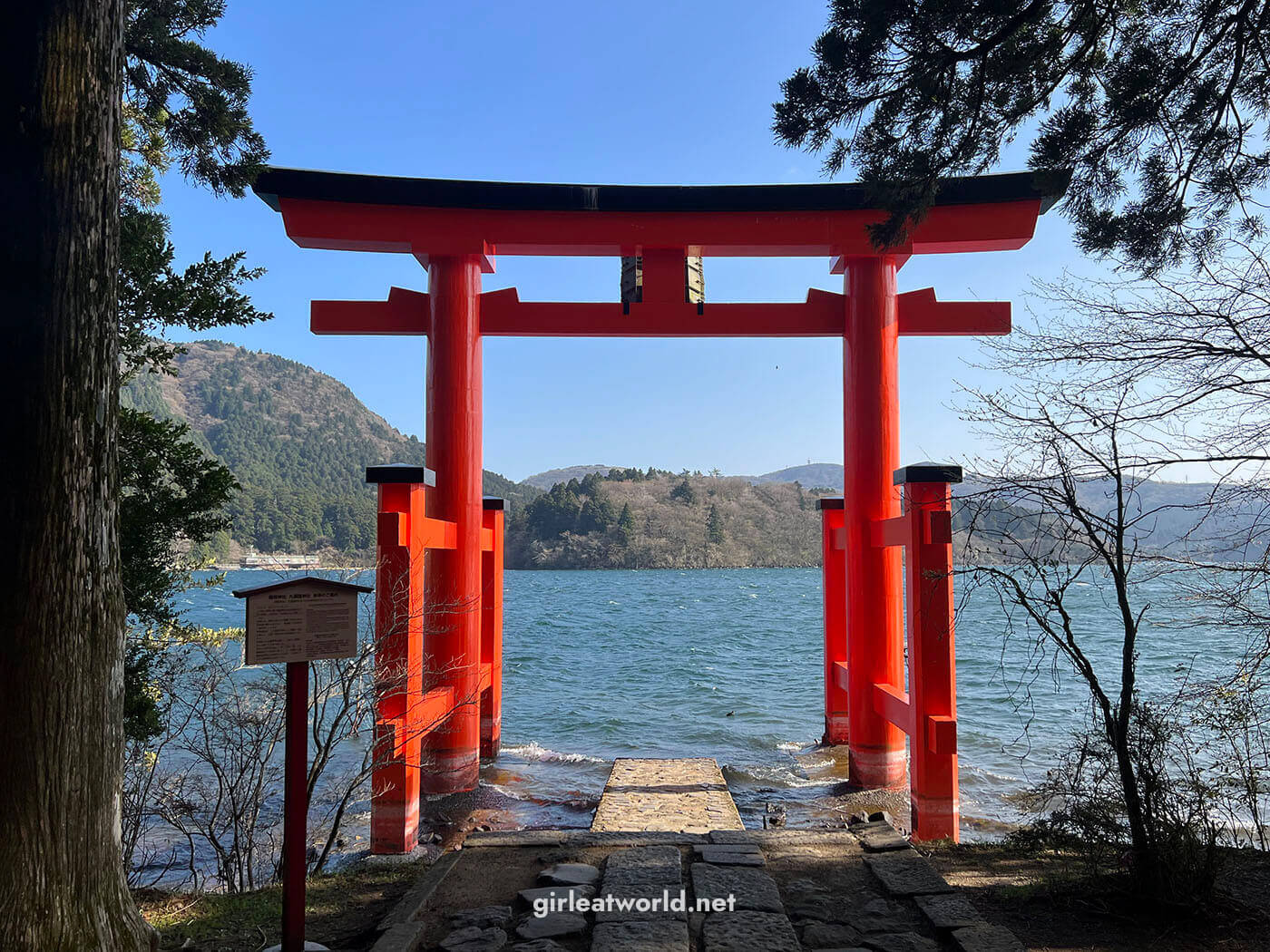
 100vw, 1400px” data-lazy-src=”https://girleatworld.net/wp-content/uploads/2022/08/hakone-shrine-03.jpg” /><figcaption class=) The famous Heiwa no Torii at Hakone Shrine
The famous Heiwa no Torii at Hakone ShrineOn my very first visit to Japan – that was exactly what I did – I spent 5 days and stayed in Tokyo and took a 1.5-day trip to Hakone. It was enough to make me fall in love with the country that I kept coming back every year after that, sometimes multiple times a year.
Getting to and from the airport
There are typically a few ways to get to and from the airports in Japan:
1. Airport Express Trains – In big cities like Tokyo and Osaka, there are Airport Express lines that can take you from the airport to the city center, where you can then resume your journey via local public transportation. Airport express train tickets need to be purchased separately.
🚆 Book train ticket online: Purchase Japan train ticket via Klook for easy redemption at the station once you’re in Japan.
2. Private Airport Transfer – Sometimes when you’re traveling with a big group or carrying a lot of luggage, it might make more sense to hire a private car to take you to and from the airport. This is the most convenient way, but not the most economical if you’re traveling by yourself. I think it’s worth it though.
Private Transfer from Airport: I book a private transfer when I flew ZIPAIR to Narita with my (then) 3 year old, and it was a godsend. The company we booked via Klook is called Chinichi.
If you are booking a private transfer, please make sure the car has space for your luggage! On Klook, they have guidance on how much luggage a car can take vs how many passengers.
Getting around in Japan
Once you’ve arrived in Japan, traveling domestically within Japan will be a piece of cake thanks to the country’s extensive railway system. However, taking the train is not the only way to see this country. I’ll go over all the possible ways here:
1. Taking Shinkansen when moving from one city to another
There are a variety of trains in Japan, but the most popular way of traveling from one city to another is using high-speed bullet trains (referred to as Shinkansen) that connect most major cities. Typically, intercity trains will drop you off at the main train station of that city. From there, you can catch local trains to complete the last-mile journey to your ultimate destination.
🚆 Book train ticket online: Purchase Japan train ticket via Klook for easy redemption at the station once you’re in Japan.
If you’re planning on visiting multiple cities via Shinkansen, you might want to look into JR Pass to minimize the cost of train tickets.
All about JR Pass and Shinkansen: Learn more about JR Pass and taking Shinkansen in Japan here.
 100vw, 1400px” data-lazy-src=”https://girleatworld.net/wp-content/uploads/2024/08/shinkansen-journey-5.jpg” /><figcaption class=) Shinkansen Bullet Train
Shinkansen Bullet Train2. Driving and renting a car
If you have an international driver’s license and are comfortable with driving in a foreign country, driving in Japan could be a great option. This is an especially good idea if you’re going to destinations that are not well-served by trains. Outside major cities like Tokyo and Osaka, the last-mile journey in Japan can be tough – especially in the mountain regions.
 100vw, 1400px” data-lazy-src=”https://girleatworld.net/wp-content/uploads/2019/12/nagano-matsumoto2.jpg” /></a><figcaption class=) Matsumoto Castle, which I visited during a self-driving trip around Nagano
Matsumoto Castle, which I visited during a self-driving trip around NaganoYou can easily book a car rental from Klook. Most of the time, you can pick up the car from the airport or in the city, making it a very convenient option! I’ve personally rented a car in Japan for some of my trips to Nikko, Fukuoka, Nagano prefecture, and Hokkaido.
What is Klook? Klook is the leading travel and experiences booking website in Asia. And yes, they are legit! I personally always book my activities through them whenever I am traveling. See my review of Klook here.
3. Domestic Flight
Flying domestically is also a good option to go around Japan from one city to another. If you’re traveling further distances, it will save you time and money compared to using the train. You don’t need to go through immigration again, so the process is really quick and easy.
 100vw, 1400px” data-lazy-src=”https://girleatworld.net/wp-content/uploads/2017/12/020dd49b-b7b7-484b-93d7-fe89c408937d.jpg” /></a><figcaption class=) Mount Fuji from the flight from Tokyo to Osaka
Mount Fuji from the flight from Tokyo to OsakaI’ve taken domestic flight from Tokyo to Sapporo, which only took less than two hours. I have also taken a flight from Tokyo to Osaka just because it was cheaper to do so rather than taking the Shinkansen.
4. Getting around within a city using public transport
When you’re traveling within a major city in Japan, it would be convenient to travel using local trains. In Tokyo and Osaka, you’ll be mostly traveling using the local train because the train network in these cities is so extensive. In smaller cities, you might need to use a bus.
 100vw, 1000px” data-lazy-src=”https://girleatworld.net/wp-content/uploads/2023/08/pasmo-suica-card.jpg” /></a><figcaption class=) Pasmo and Suica, two types of IC Card in Tokyo
Pasmo and Suica, two types of IC Card in TokyoLocal trains in Japan run on IC (Integrated Circuit) Cards as a method of payment. In Tokyo, you can get either SUICA or PASMO IC card. In Osaka, they are called ICOCA. But don’t you worry about the different names! They are all the same thing, and there is no difference whatsoever in which one you get, aside from the name.
On top of that, all IC cards can be used across different cities, for example, you could use SUICA in Osaka and you can also use ICOCA in Tokyo and other cities.
Whichever IC Card you choose, this card will be your lifeline during your stay. This card allows you to tap in and out of each train station without having to buy a ticket every single time you take a train. And because everyone has an IC card in Japan, you can even use your card balance to buy things from convenience stores and even vending machines. Whenever the balance is running low, you can easily refill the card using cash or credit card at any train station.
Virtual IC Card – How to use your iPhone as an IC Card in Japan
Good news for iPhone users – IC cards have gone virtual and you can use your phone as an IC card! This makes everything even more convenient, as you can refill the balance via your phone without having to go to the station.
Virtual IC Card: Check out my post on how to use IC Card from your iPhone!
Note that you do not need to buy a physical IC card to do this, just start the process straight from your phone! However, if you DO have an existing IC card you can also transfer the balance to your phone. Your existing card will then stop working and you can only use your phone as an IC card from that point onwards.
5. Taking a taxi in Japan
Taking a taxi is not usually the preferred way to go around Japan due to the high cost, especially in cities like Tokyo where the train system could get you to many places for an affordable fare. But, it is sometimes the only option if you’re traveling late at night when the trains are no longer operating, or traveling with children or the elderly.
Taxi in Japan is a white glove service. The driver will treat you very well and help you with everything. Taxi doors will also open and close automatically, so you don’t need to open and close them manually. And please, no tipping!
Taxis should be easy enough to find in Japan. Look out for taxi stands outside of the train station, or you can try flagging down a taxi on a major road if their sign is red (indicating they are vacant and open for passengers). Make sure the license plate is green, which means it is an officially licensed taxi.
Additionally, you can use GO taxi app to call for a taxi. It works the same way as how you would order a rideshare car from Uber – you just need to specify your desired pick-up and drop-off point.
Seasons in Japan: When is the best time to go to Japan?
While I think Japan is usually great to visit most of the year, the most popular time to visit is in Spring during Sakura time from mid-March to early April, or in Autumn during Momiji time from mid to end of November.
Take note of the major holidays in Japan, most notably Golden Week (first week of May) and Obon (August 13-16). You might want to avoid these dates since there will be an increase in domestic tourism.
A non-local holiday that will also affect level of tourism in Japan is Lunar New Year, which attracts an increased number of tourist from China, because it is a long holiday.
There are 24 ways to express seasons in Japan (called Sekki), I won’t get into that much in detail. Here is a rundown of the four major seasons in Japan:
1. Winter (December to end of February)
The weather during these few months will be cold, but most days will be sunny and pleasant. If you want to see Mount Fuji, this is the season with the highest visibility of Mount Fuji. And, if you’re a skier or snowboarder, you can hit the famous ja-pow! Having gone to Tokyo three times during winter, I do believe winter is one of the best times to visit Japan.
 100vw, 1400px” data-lazy-src=”https://girleatworld.net/wp-content/uploads/2022/02/tokyo-ski-resort-iwappara-17.jpg” /><figcaption class=) Skiing in Nagano
Skiing in Nagano 100vw, 1301px” data-lazy-src=”https://girleatworld.net/wp-content/uploads/2024/01/niseko-skiing-10.jpg” /><figcaption class=) Skiing in Niseko
Skiing in NisekoWhen February rolls in, you might witness Plum Blossom which can be easily confused with Sakura (Cherry Blossom). Cherry Blossom is more popular, but I think Plum Blossom is just as beautiful. The color of the plum flowers is not just pale pink – it can be white, pink, or deep pink.
 100vw, 1400px” data-lazy-src=”https://girleatworld.net/wp-content/uploads/2017/11/2eb08994-7b4f-42f1-a6af-572ab610e682.jpg” /><figcaption class=) A Fuschia-colored Plum Blossom
A Fuschia-colored Plum Blossom2. Spring (March to May)
Spring is undeniably the most popular time of the year to visit Japan. The weather will be mild and comfortable most of the time. There is a chance of temperature fluctuation if you’re visiting between spring and winter (in March) because sometimes when the temperature gets warmer you think it’s finally spring, the next week temperature could drop again to single digit 🥶
However, while it is truly beautiful due to the cherry blossom season (called Sakura in Japanese), it is also the most popular time for travel within Japan. You’ll be nudging elbows with both international and domestic tourists.
Golden Week, one of the major holidays in Japan, takes place on the first week of May, which will see an increase of domestic tourism and business closures.
 100vw, 1400px” data-lazy-src=”https://girleatworld.net/wp-content/uploads/2017/11/5a9c2efc-35f2-469a-9dc3-5e2d6de2738b.jpg” /><figcaption class=) Hanami Dango, a snack often enjoyed during Sakura season
Hanami Dango, a snack often enjoyed during Sakura season3. Summer (June to September)
Summer in Japan is hot, and humid, and brings rain and a chance of storms, or even typhoon. The hottest month of the year falls in August and I highly suggest to avoid visiting Japan then.
But for other months, while the weather may not be the most ideal, there are still great things to do in Japan during the summer. Music festivals like Fuji Rock and Summer Sonic typically happen in the summer.
 100vw, 1400px” data-lazy-src=”https://girleatworld.net/wp-content/uploads/2017/08/600cf4a3-6844-431b-b1e4-35157bcf0f79.jpg” /><figcaption class=) Green summer forest in Japan during the summer
Green summer forest in Japan during the summerThe summer months are also filled with Natsu Matsuri, aka traditional Japanese summer festivals. The biggest one is Obon in August, which drives domestic tourism to high levels since it’s an extra-long holiday for the Japanese.
Summer is also the perfect time to explore nature in Japan. Going to the mountains, hiking or playing in the river is common activity for locals when it’s hot and humid.
 100vw, 1400px” data-lazy-src=”https://girleatworld.net/wp-content/uploads/2025/09/sanba-gorge-tokigawa-5.jpg” /></a><figcaption class=) Sanba Gorge in Tokigawa, Saitama
Sanba Gorge in Tokigawa, Saitama4. Autumn (October to early December)
Autumn is the second most popular season to visit Japan after spring. Momijigari, the act of hunting down beautiful autumn leaves, is one of Japan’s long traditions. Typically, autumn leaves will peak at the end of November, but in an unusually hot year, it could peak in early December as well.
 Momiji leaf time at Kiyomizu-dera in Kyoto
Take note of the typhoon season which tends to happen from July to October, with August and September being the peak typhoon season. I was in Tokyo in October 2019 during typhoon Hagibis which led to the cancellation of the Rugby World Cup, and I have to say… it was quite an experience seeing the Tama river swell up and Tokyo’s famous storm drain system being tested to the max.
 100vw, 1400px” data-lazy-src=”https://girleatworld.net/wp-content/uploads/2018/02/b9acc217-715a-4711-9b9e-5a1a50ac2ef3.jpg” /><figcaption class=) Autumn in Osaka
Autumn in OsakaBut aside from that, Autumn is definitely one of the most beautiful time to be in Japan. It’s starting to get cold, but not yet winter so you can still dress moderately warm.
Costs in Japan: How much does a trip to Japan cost?
I have been asked a few times how much a trip to Japan cost. Well, that’s like asking how long is a piece of string. It’s highly dependent on what you plan to do, how many cities you plan to go to and what type of accommodations you’re staying in.
I’ll do a more detailed breakdown someday, but for now, here are some quick estimates:
- Simple meals from convenience store: 300 to 1,000 yen per meal
- Meals at a restaurant: 1,500 to 2,500 yen if you go to regular restaurants
- Coffee: 600 – 800 yen
- Accommodation: depends on what you’re booking and which area, but I would budget for about 20,000 yen a night for a decent hotel that can fit 2 people.
- Transport: about 800 – 1,000 yen a day if using the train
The 10-Day Golden Route Itinerary for first-time visitors
The Golden Route is a popular travel route that showcases the best of Japan – from the vibrant metropolitan cities to beautiful nature and quaint traditional towns that Japan has to offer. While there are many things to see in Japan, I still recommend first-time visitors follow the golden route to get the essential Japan experience. After all, it is a tried and true itinerary!
Here is how I would go about traveling through the golden route if I had 10 days in Japan:
- Day 1 to 3: Tokyo
- Day 4 to 5: Hakone or Mount Fuji (Lake Kawaguchi)
- Day 6 to 7: Kyoto
- Day 8: Nara
- Day 9 to 10: Osaka
Day 1 to 3: Tokyo
Tokyo is Japan’s capital city and the largest metropolitan city in the world. It serves as the perfect starting point for your Japan adventures. And, there are plenty to do here too!
🗼 Tokyo Travel Guide: Wondering what you can do in Tokyo? I’ve written a very extensive post about visiting Tokyo, including itineraries and activities to do during your stay. Please check out my Tokyo Travel Guide!
 100vw, 1206px” data-lazy-src=”https://girleatworld.net/wp-content/uploads/2018/12/tokyo-itinerary-shibuya-scramble.jpg” /></figure>
<figure class=)
 100vw, 1117px” data-lazy-src=”https://girleatworld.net/wp-content/uploads/2023/12/tokyo-atago-shrine-2.jpg” /></figure>
<figure class=)
 100vw, 1400px” data-lazy-src=”https://girleatworld.net/wp-content/uploads/2018/12/tokyo-shinjuku-gyoen-2.jpg” /></figure>
<figure class=)
 100vw, 1400px” data-lazy-src=”https://girleatworld.net/wp-content/uploads/2024/01/tokyo-best-view-5-azabudai-skylobby.jpg” /></figure>
</figure>
<p data-slot-rendered-content=) I recommend flying into Haneda Airport instead of Narita if you can. Haneda Airport is close to the city center and would make it easier for you to journey into the city. From Haneda, you can take the local train to the station closest to your hotel, or you can book a Private Transfer from and to HND to save the hassle.
I recommend flying into Haneda Airport instead of Narita if you can. Haneda Airport is close to the city center and would make it easier for you to journey into the city. From Haneda, you can take the local train to the station closest to your hotel, or you can book a Private Transfer from and to HND to save the hassle.
话虽如此,成田机场也是个不错的选择。从成田机场到东京很方便,只是会稍微费点时间。如果您从成田机场出发,可以乘坐 成田特快或 东京京成Skyliner前往上野,选择离酒店最近的线路即可。当然,您也可以选择从成田机场包车前往东京,我上次去东京就是这么做的,这样就省去了不少麻烦。
我最近乘坐成田特快列车从成田机场搭乘飞机。以下是我对成田特快绿色车厢的评价。
到了东京之后,以下是一个如何安排三天行程的例子:
第一天:漫步代代木公园、原宿、表参道和六本木
游览东京的最佳方式是步行。漫步街头,你会发现许多有趣的商店和餐厅。你可以先搭乘当地火车前往代代木公园站,然后穿过代代木公园,前往位于公园中央的明治神宫——一座美丽的日本神社。从那里出发,步行前往原宿,然后继续前往表参道,最终到达六本木新城。
➡️提示:点击此处查看东京第一天行程,了解当天的详细行程安排和用餐建议。
 100vw, 1400px” data-lazy-src=”https://girleatworld.net/wp-content/uploads/2017/10/8654756a-94d4-4714-b9e6-97926051bd4d.jpg” /><figcaption class=) 明治神宫的神道婚礼
明治神宫的神道婚礼第二天:游览涩谷和新宿。
首先前往涩谷站,它是东京最大的火车站之一。注意不要迷路,找到A8出口,那里可以看到著名的忠犬八公雕像和涩谷十字路口。如果您提前预订了门票,还可以去涩谷天空观景台看看,在我看来,它是东京最好的观景台。除此之外,涩谷也是购物的好去处!
➡️提示:请阅读我的东京旅游指南中的第 2 天和第4 天行程,了解当天的更详细行程安排以及在涩谷和新宿的用餐建议。
 100vw, 1206px” data-lazy-src=”https://girleatworld.net/wp-content/uploads/2018/12/tokyo-itinerary-shibuya-scramble.jpg” /><figcaption class=) 涩谷乱斗
涩谷乱斗游览完涩谷后,如果您想度过一个更轻松的下午,可以前往代官山;或者,您也可以探索新宿。在新宿,您可以前往新宿御苑,享受闹市中的一片宁静绿洲。晚上,您还可以去思出横丁(Omoide Yokocho)享用晚餐和饮品。
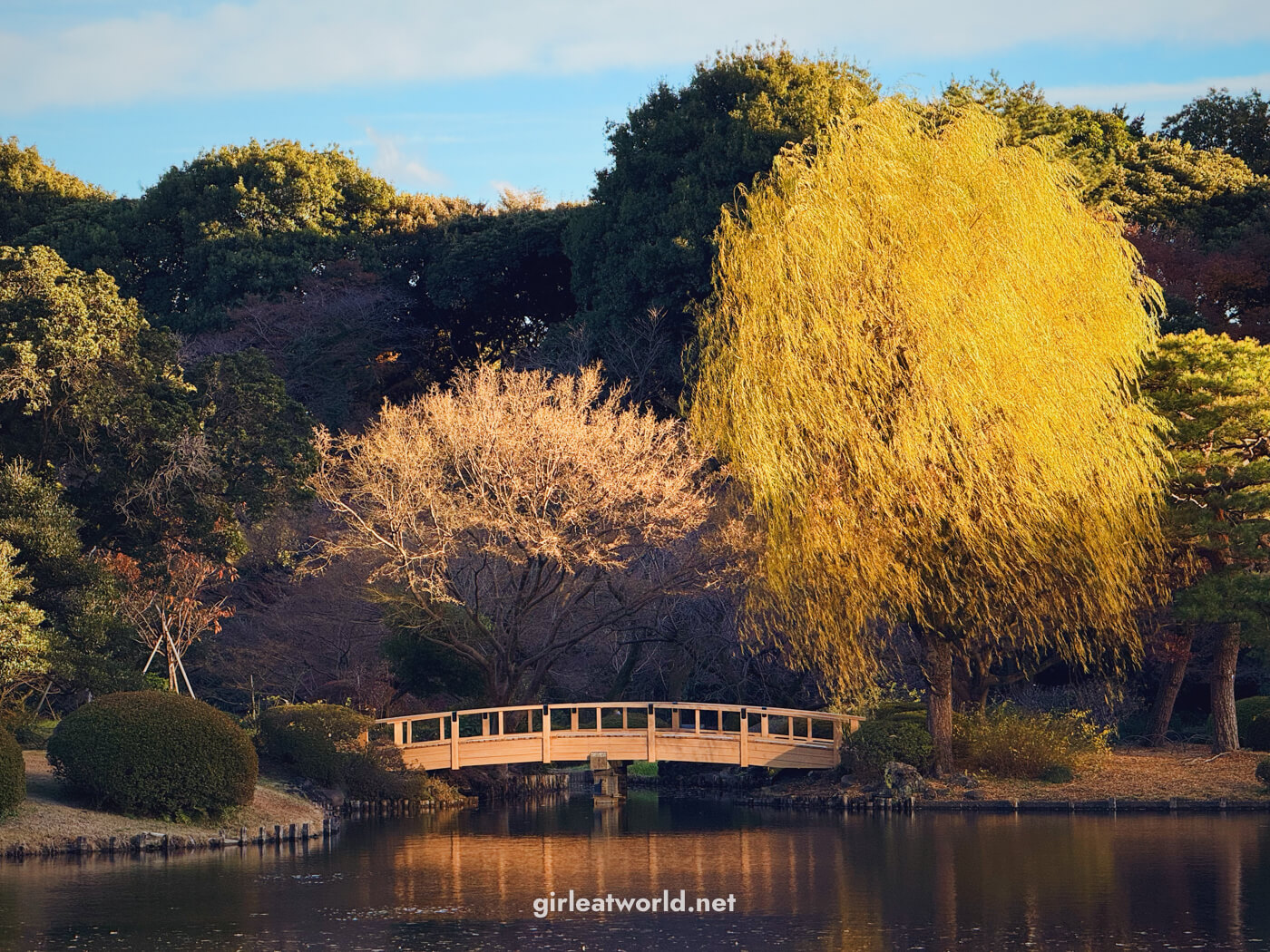
第三天:游览秋叶原、上野公园和浅草。
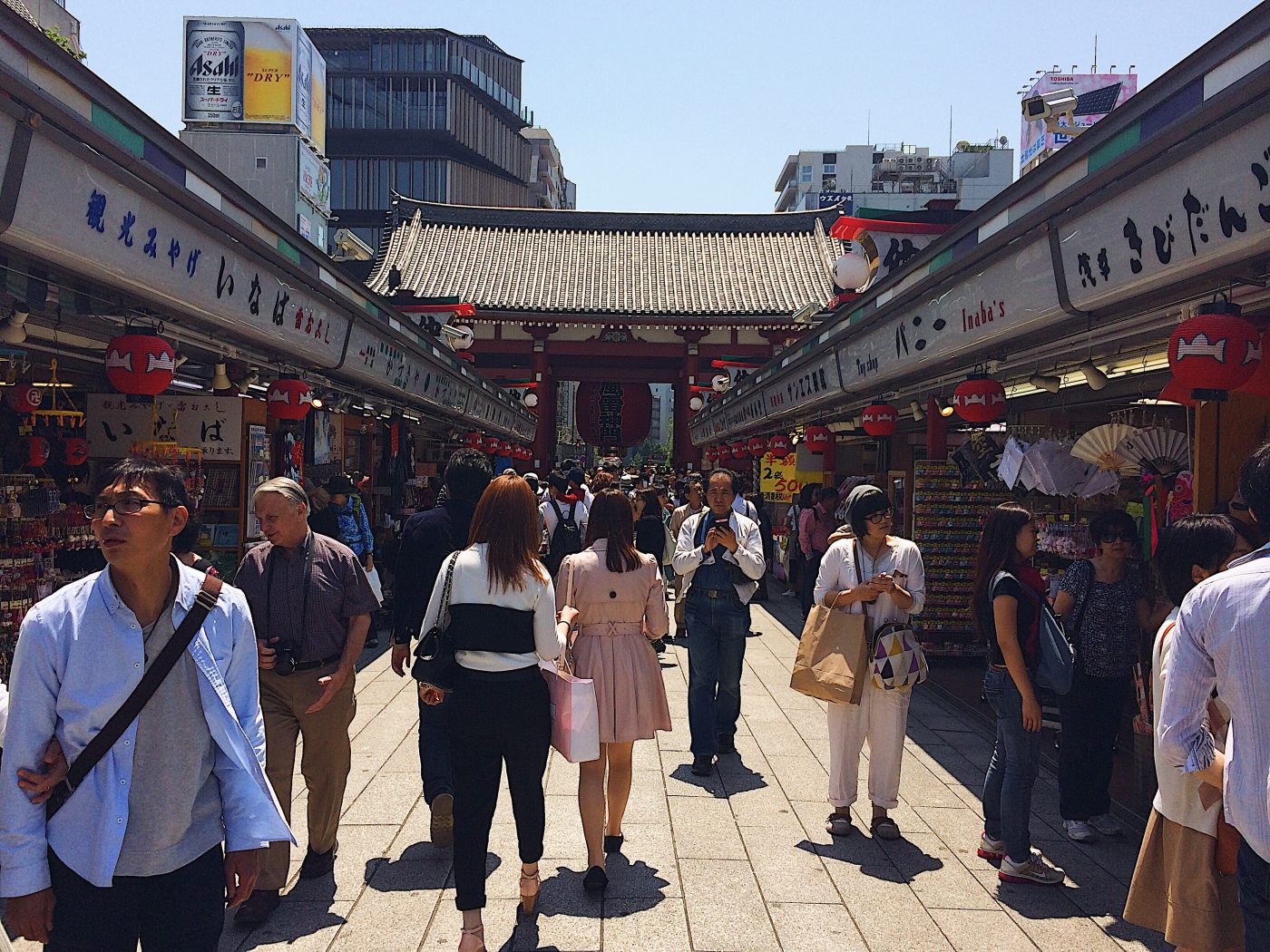
初次到访日本的游客,秋叶原电器街绝对不容错过。在那里,您可以体验到日本各种奇特的特色——街机游戏、漫画书、电子产品,甚至还有女仆咖啡厅。附近还有东京著名的神社之一——浅草寺。如果您想从高处俯瞰东京,还可以前往世界最高塔——东京晴空塔。
➡️小贴士:请阅读我的东京旅行指南中的第三天行程安排,了解更详细的行程安排。
东京住宿指南
- 新桥 1899 东京酒店 ($$)
- 银座MUJI酒店 ($$$)
- 目黑雅叙园酒店 ($$$$)
东京住宿指南:东京是个如此庞大的城市,选择住宿地点可能会让人不知所措。我写了一篇博客文章,专门介绍如何在东京选择住宿地点。
更多与东京相关的帖子
我写过很多关于东京的文章。请阅读以下文章,希望能帮助您规划东京之旅:
第4至5天:箱根或河口湖
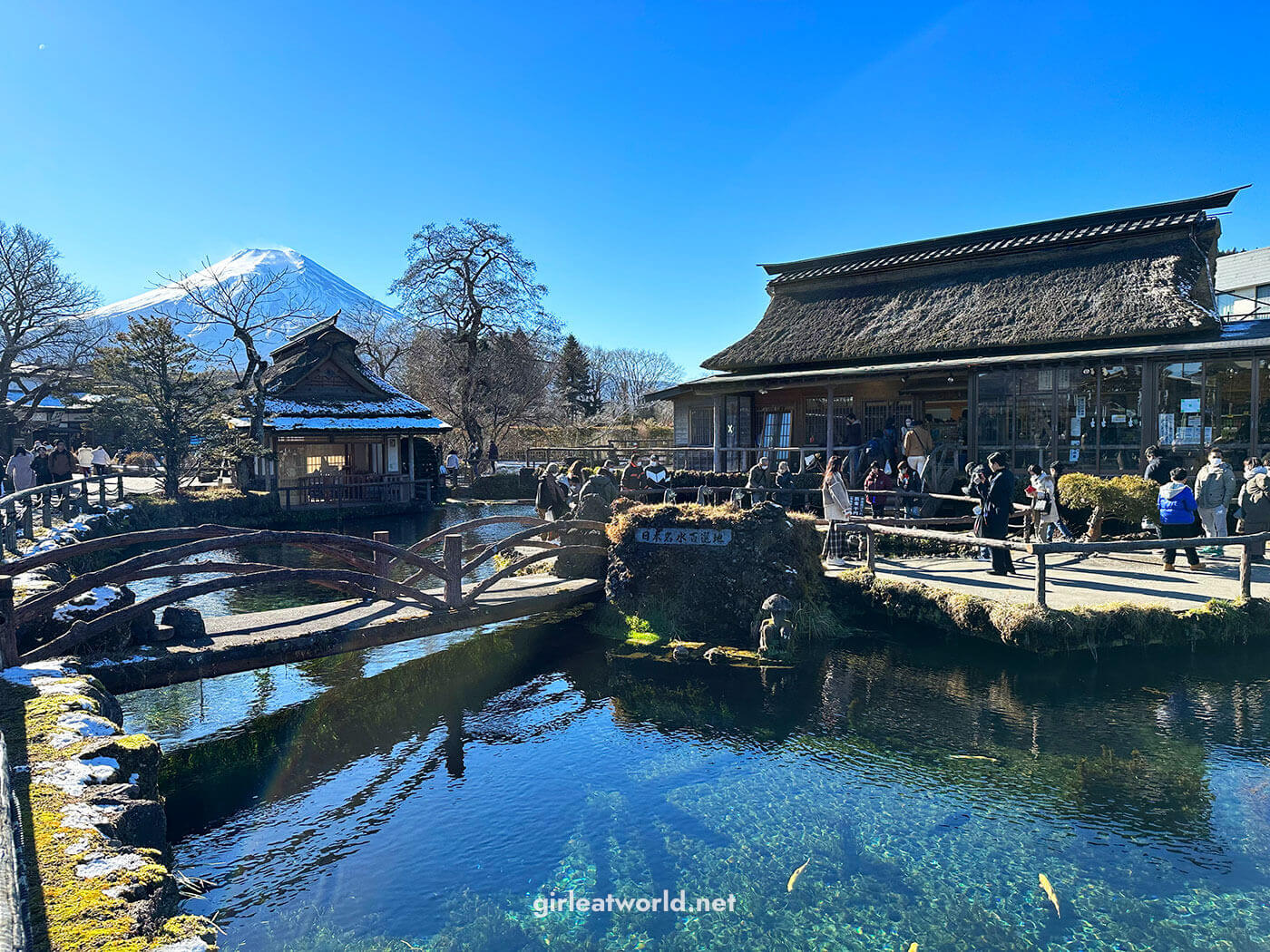
从东京出发,我推荐您探索东京附近的山区,亲近自然,呼吸新鲜空气,如果天气晴朗,还有机会近距离欣赏富士山的美景。箱根和富士五湖是两个不错的选择,从东京出发都很方便。游览这两个地方大约需要一天半的时间,所以我建议您早上从东京搭乘最早的火车。
如果你是第一次来日本,我建议只选择其中一个,而不是两个都去。以后有机会还可以再去另一个!依我看,箱根更容易安排行程,而且不开车的话也更方便。
值得注意的是,由于富士山地区湿度高,常年云雾缭绕,因此很难观测到富士山。冬季天气干燥清爽,是观赏富士山的最佳时节。
选项一:箱根
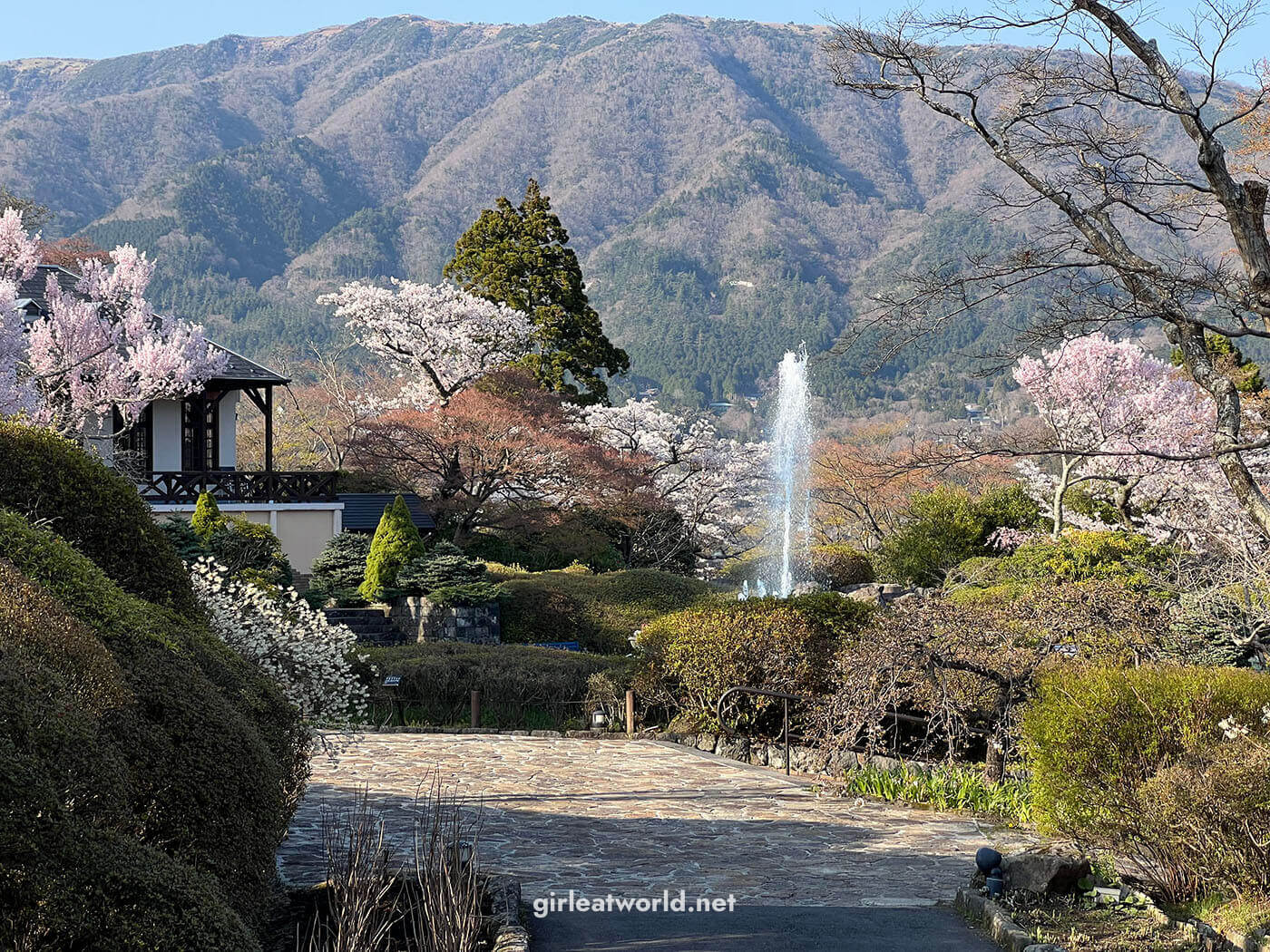
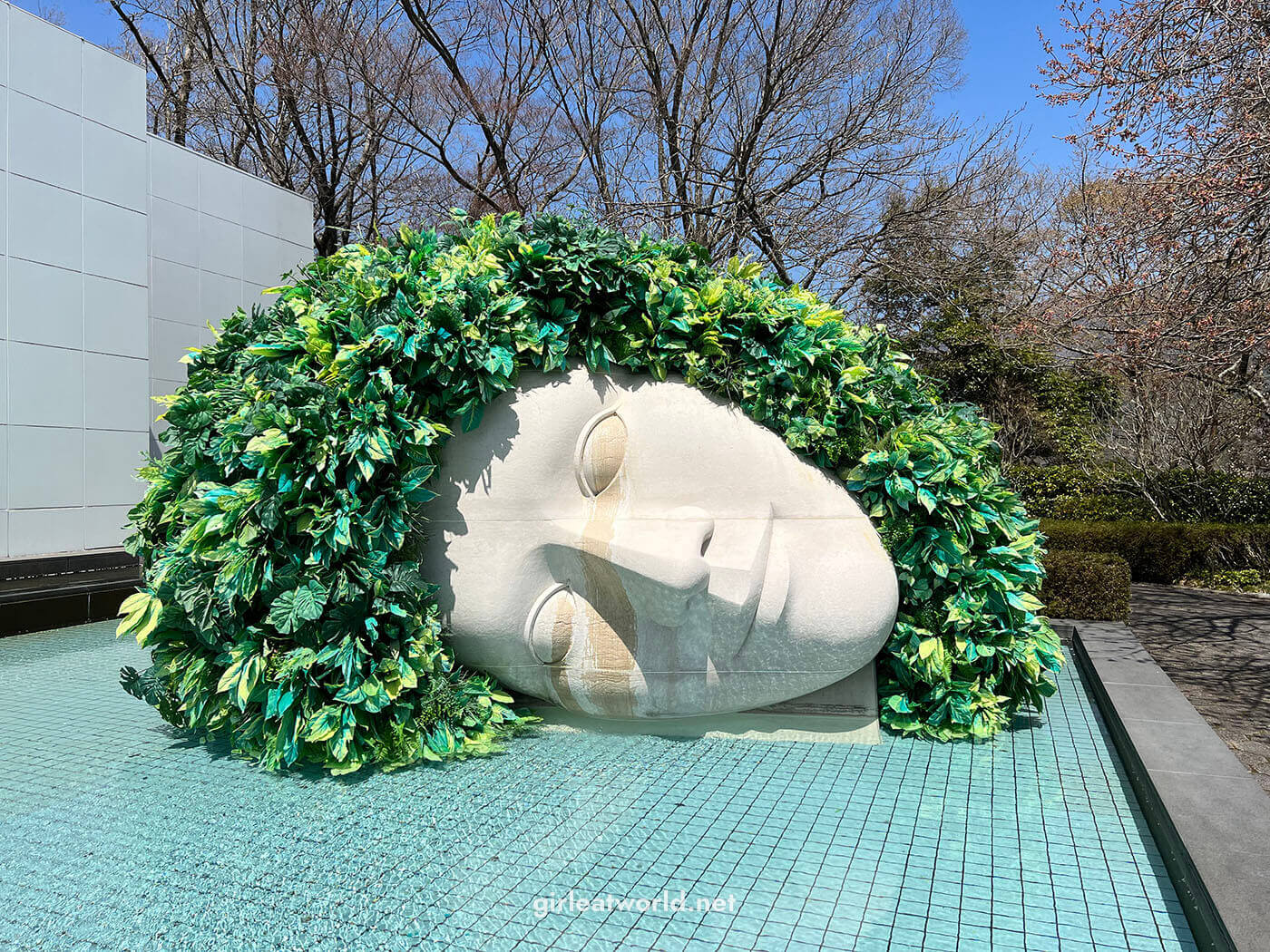
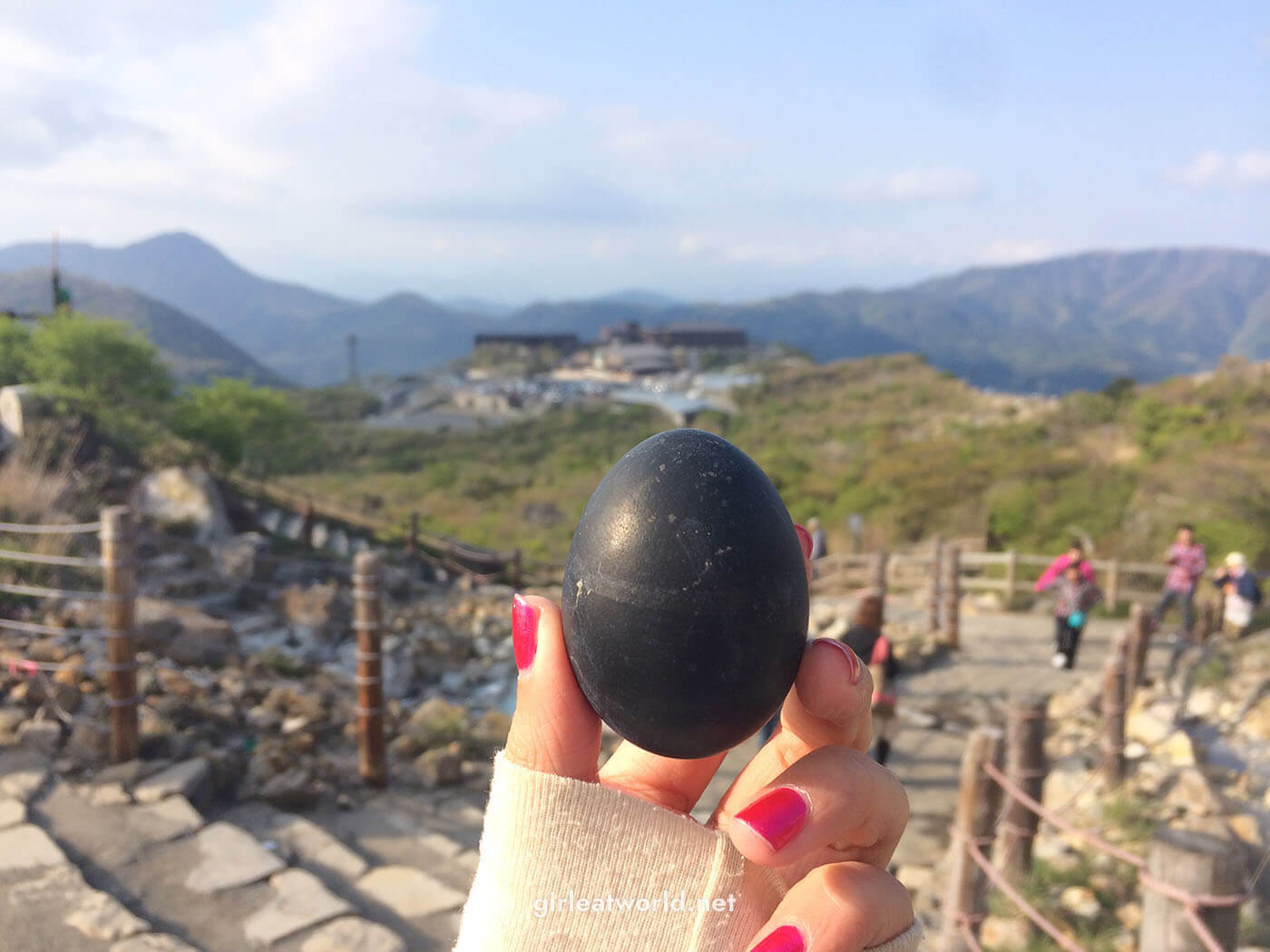
箱根是距离东京仅几个小时车程的山城 。您可以欣赏富士山的景色,体验众多自然步道,参观神社,当然还能呼吸到清新的山间空气。
箱根的旅游非常便捷。行程已经为您安排好了——您可以沿着箱根环线游览,这条环线的设计旨在方便游客探索箱根。
➡️箱根旅游指南:想知道在箱根可以做什么,以及在箱根可以遵循怎样的行程安排吗?阅读我的箱根旅游指南,了解您需要知道的一切。
箱根住宿推荐
选项二:富士五湖
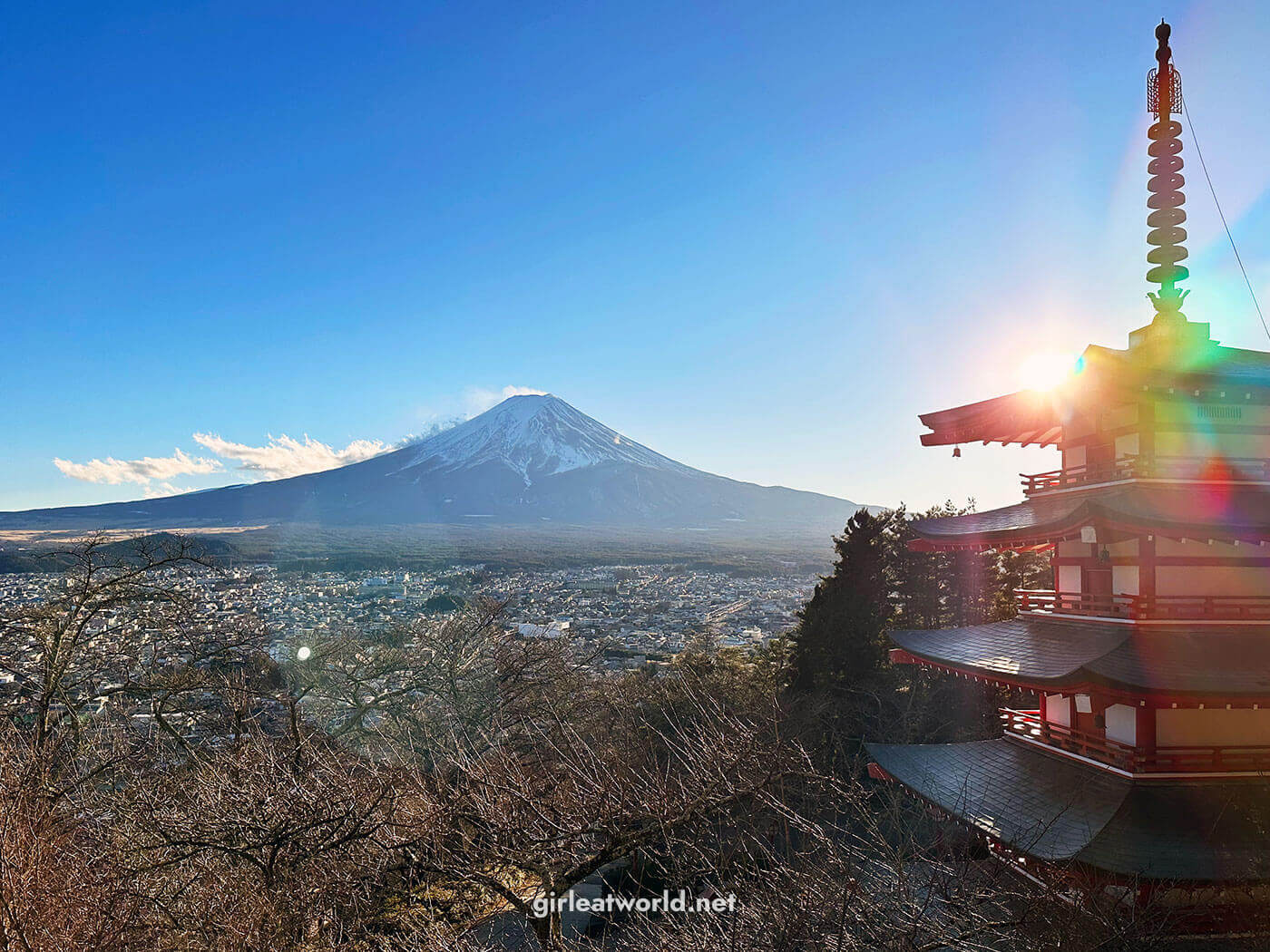
对某些人来说,亲眼目睹富士山是人生必体验的壮丽之旅。富士五湖是距离富士山最近的地区。在富士五湖地区,您可以体验悠闲的山居生活——徒步旅行、泡温泉、环湖漫步,应有尽有。
🗻 对游览富士五湖感兴趣吗? 您不妨阅读我的 富士五湖行程安排,其中包含您想了解的有关游览富士五湖以及在那里可以做什么的所有信息。
但是,如果您此行的主要目的是观赏富士山,请注意,由于云层和湿度的影响,即使在最近的观景点,也常常无法看到富士山。最好的选择是在 冬季前往 ,那时天气通常比较干燥晴朗,富士山也更容易被看到。
河口湖住宿推荐
从箱根到大阪的交通时间:
从箱根前往大阪和京都都很方便。只需前往小田原站,然后搭乘东海道新干线前往京都即可。大约需要2个小时才能到达京都。
你可以选择大阪作为第 6 天到第 10 天的住宿基地。京都和奈良距离大阪都很近,两地之间有频繁的火车,而且大阪的酒店往往比京都的便宜。
第6至7天:京都
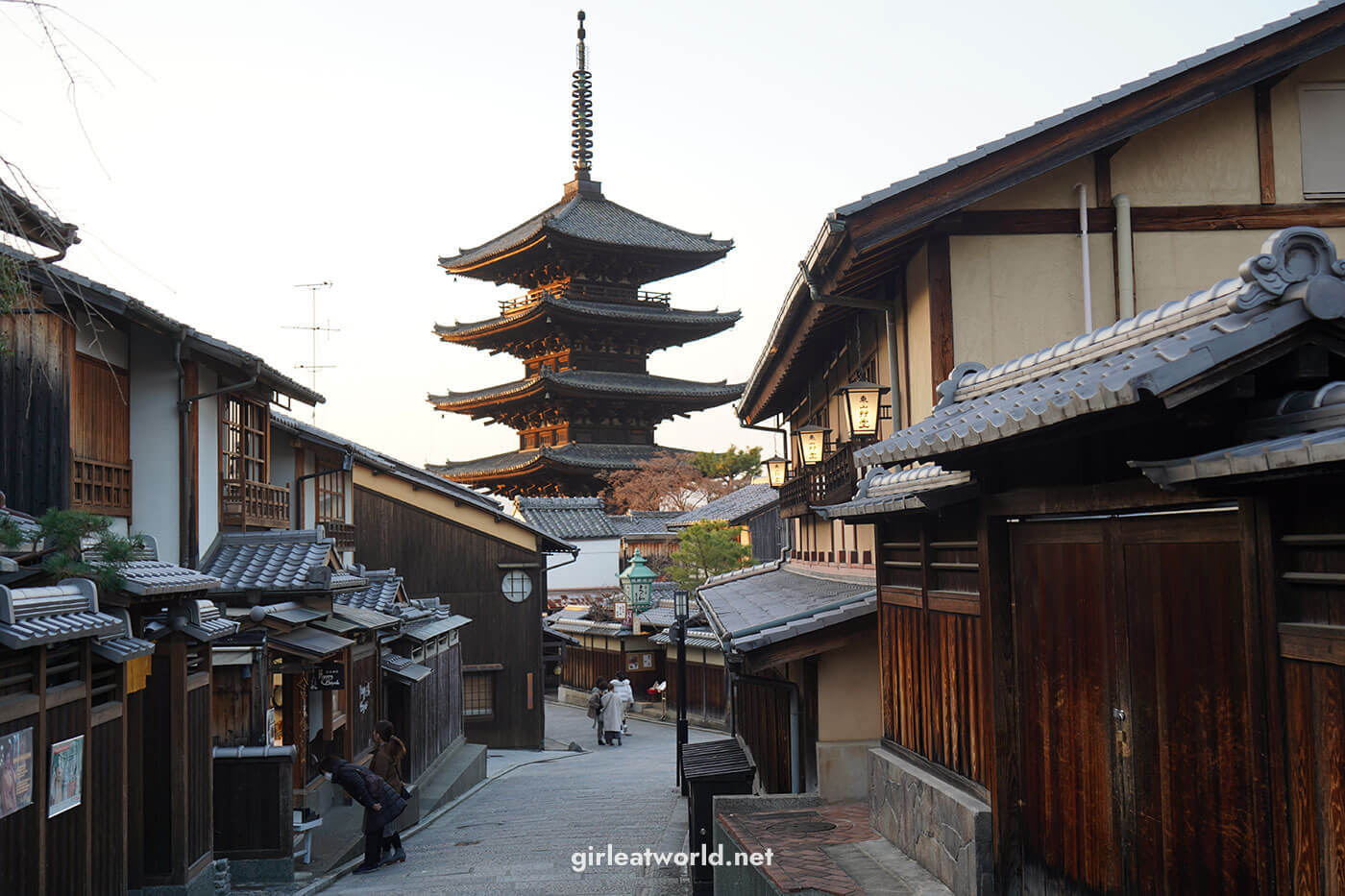
我觉得 京都几乎 不需要介绍——每当你在海外看到日本的旅游宣传时,我敢保证他们使用的都是京都的美丽图片。
⛩️ 想去京都旅游吗? 我写了一篇非常全面的 京都旅游指南 ,点击这里查看!
 100vw, 1400px” data-lazy-src=”https://girleatworld.net/wp-content/uploads/2017/11/8ff40cdc-8794-4590-9f43-b040ad535f0e.jpg” /></figure>
<figure class=)
 以下是您安排京都两天行程的方法:
第六天:探索京都精华
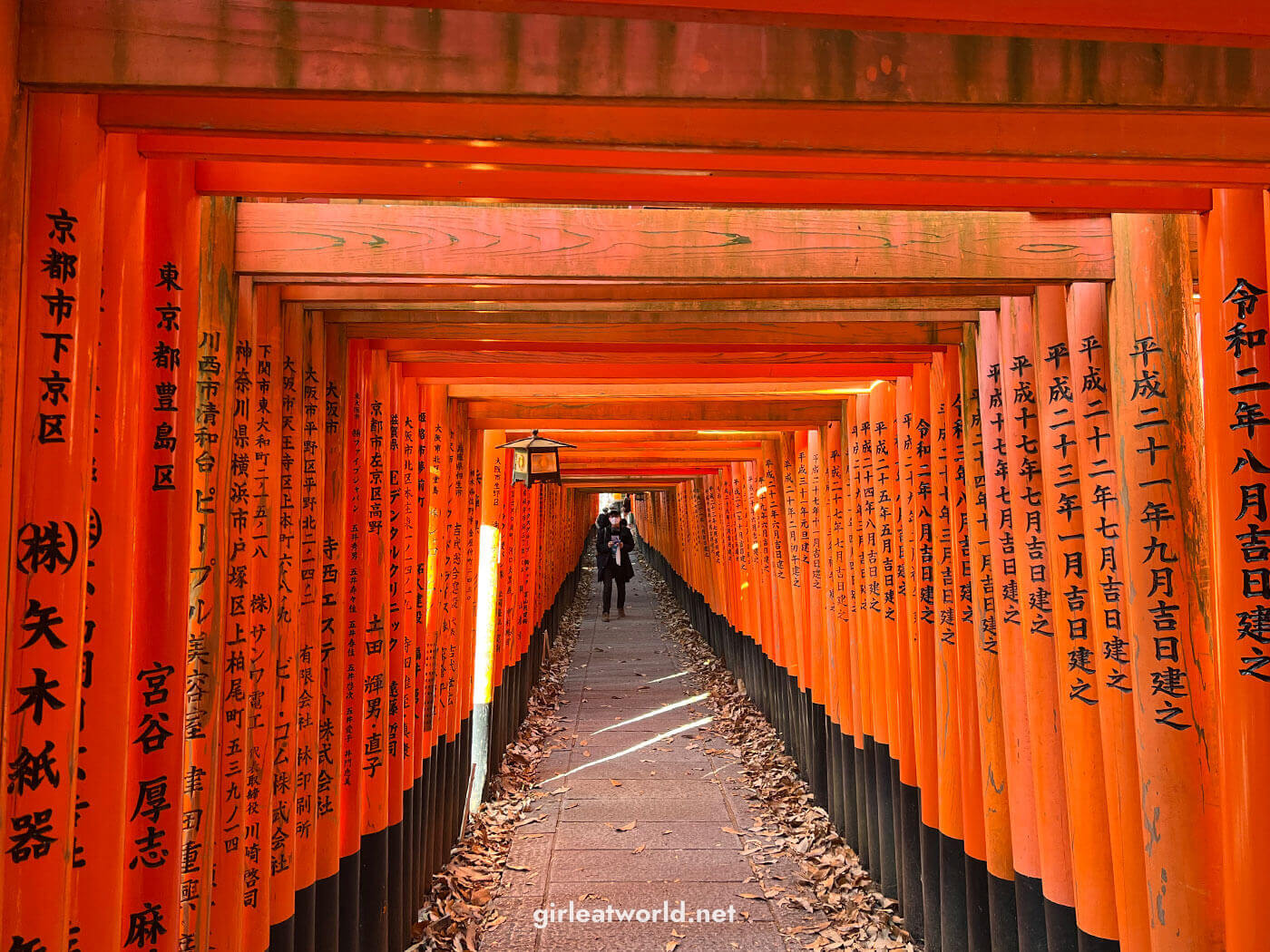
您可以早起,前往伏见稻荷大社,欣赏那里一眼望不到头的鸟居。之后,再前往京都最著名的寺庙——清水寺。
 京都伏见稻荷大社的千本鸟居
参观完寺庙后,可以前往东山区漫步,顺道去二年坂和三年坂逛逛,那里是充满纪念品和街头小吃的古色古香的购物街。如果时间允许,可以沿着哲学之道走到银阁寺。
 京都东山区二年坂
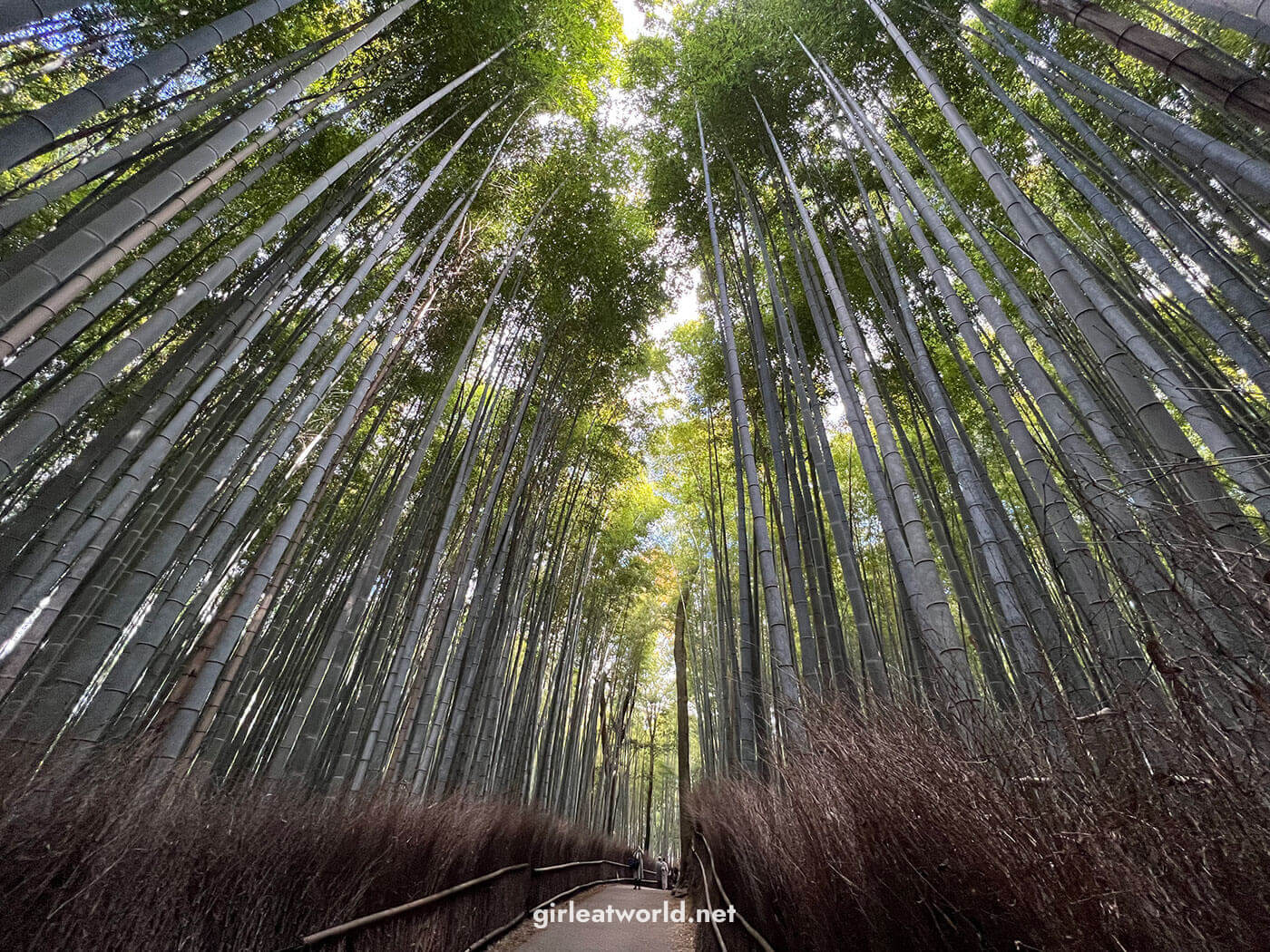
第七天:游览岚山
岚山位于京都西部,以岚山竹林和岩玉猴园而闻名。如果您时间充裕,还可以体验从岚山出发的嵯峨野观光小火车。
➡️小贴士:查看我的京都行程清单,了解我上面提到的所有内容的更多信息!
京都住宿指南
虽然我建议游览京都时住在大阪以节省开支,但住在京都也是个不错的选择。以下是一些您可能感兴趣的京都住宿:
第8天:奈良
奈良是古代日本的第一个永久都城,由于距离大阪很近且交通便利,因此是大阪周边一日游的热门目的地——乘坐当地火车只需 30-45 分钟即可到达。
🦌 奈良旅游指南: 如果您有兴趣游览奈良,请务必查看我的 奈良旅游指南 ,获取全面的旅游贴士!
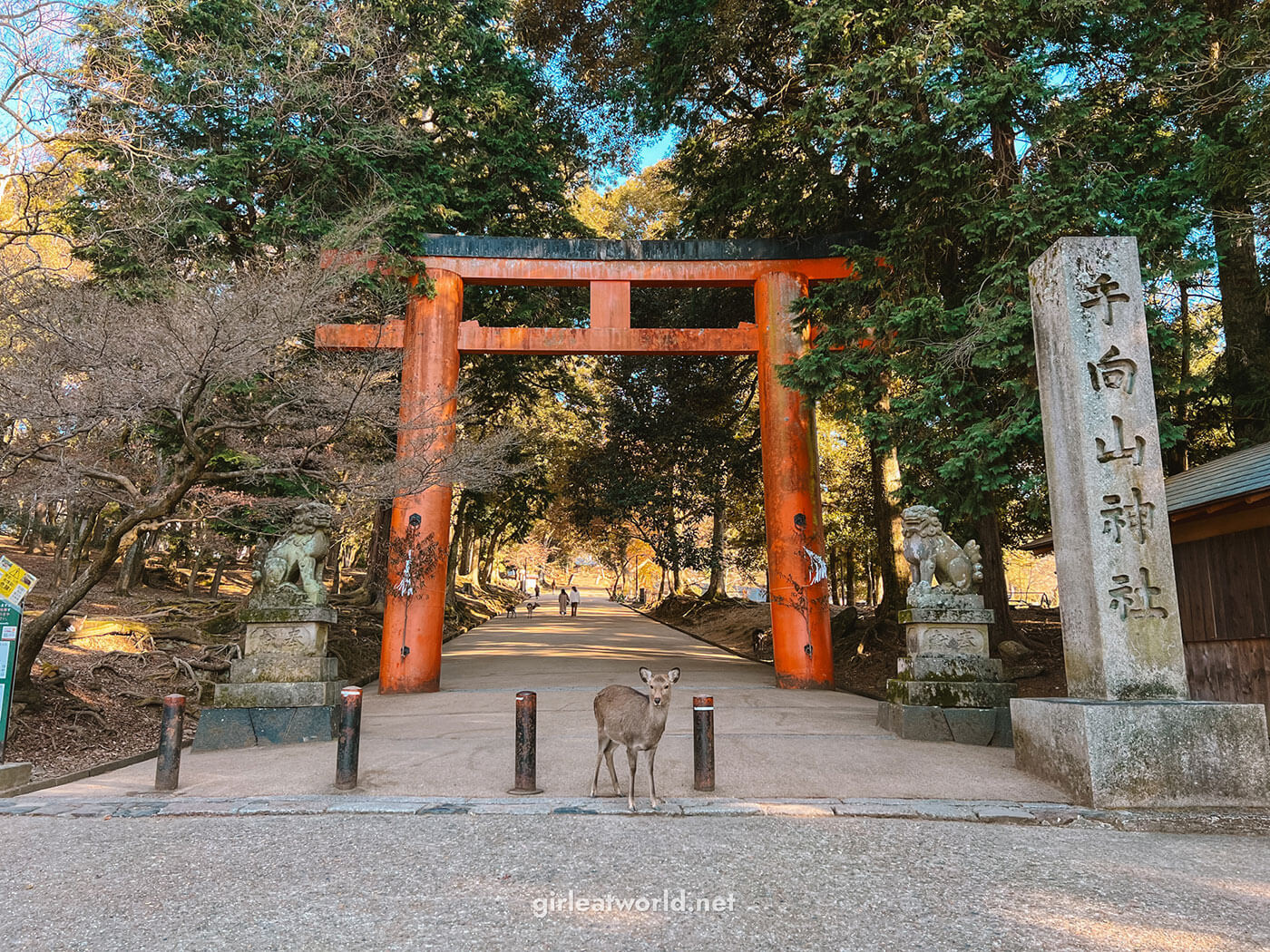
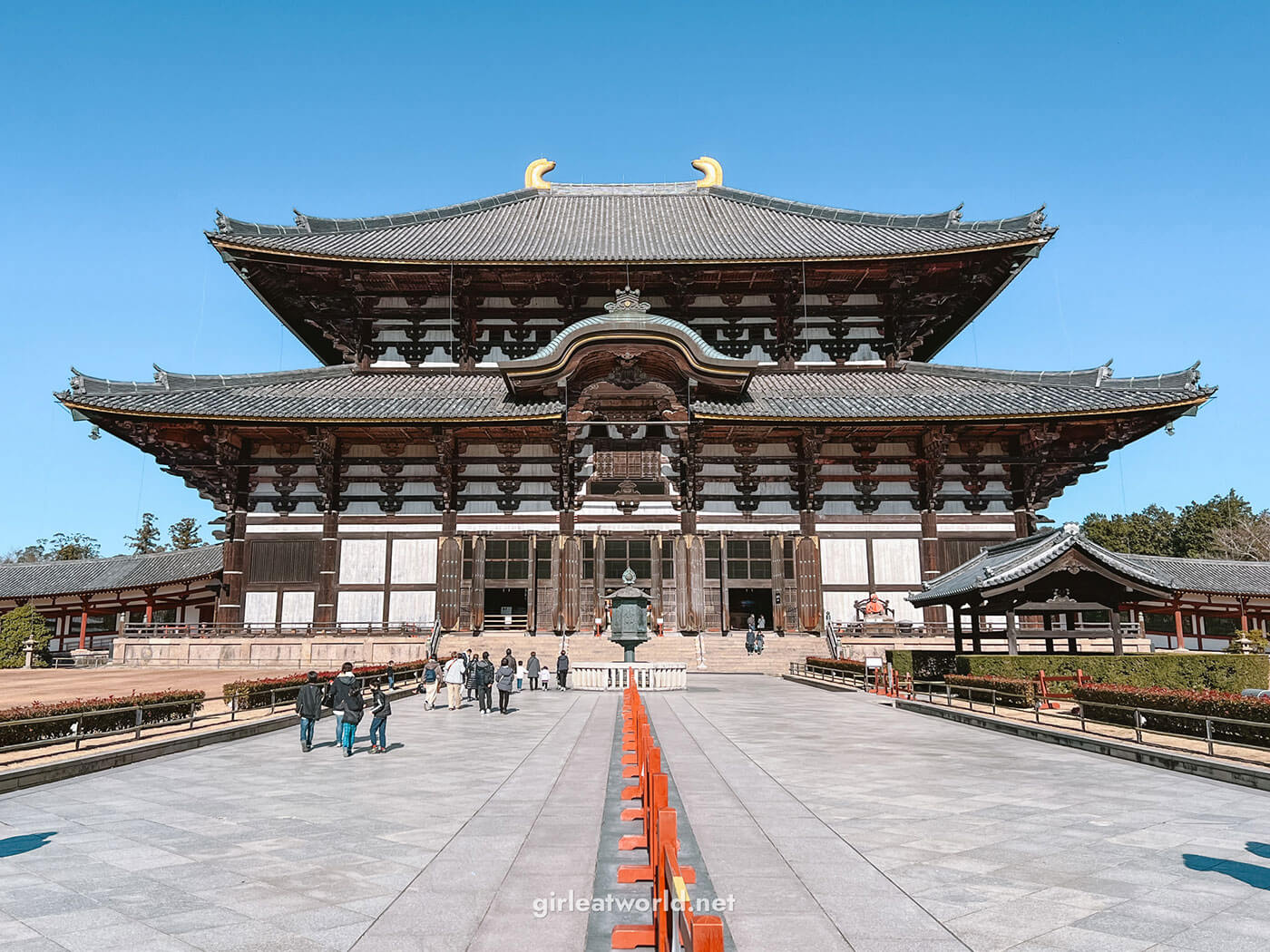
我建议从大阪出发,早上早点前往奈良站。尽量在上午9点前到达,那时大部分寺庙和商店都开始营业。您可以先参观东大寺的大佛,然后前往相邻的二月堂和三月堂。
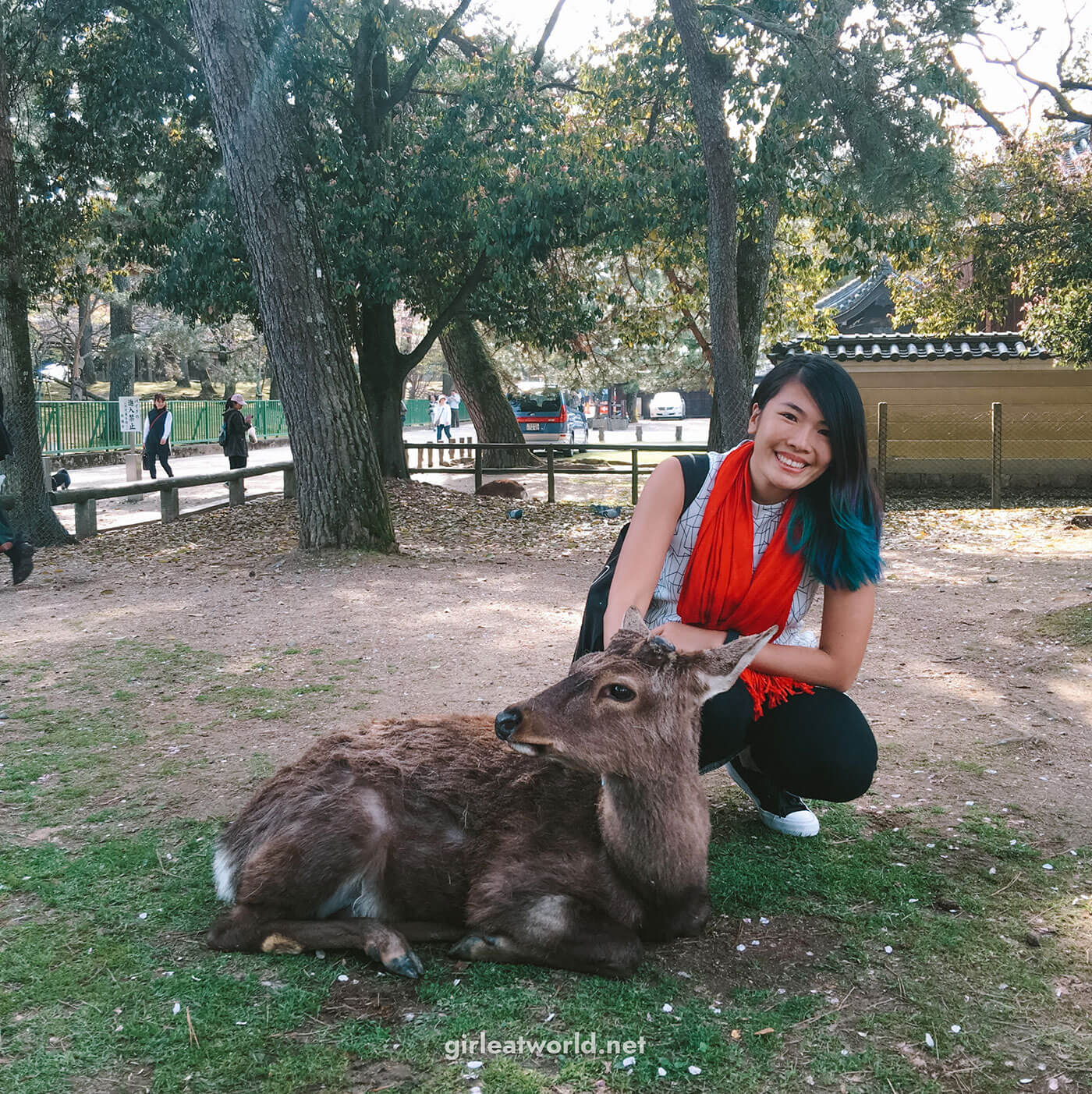
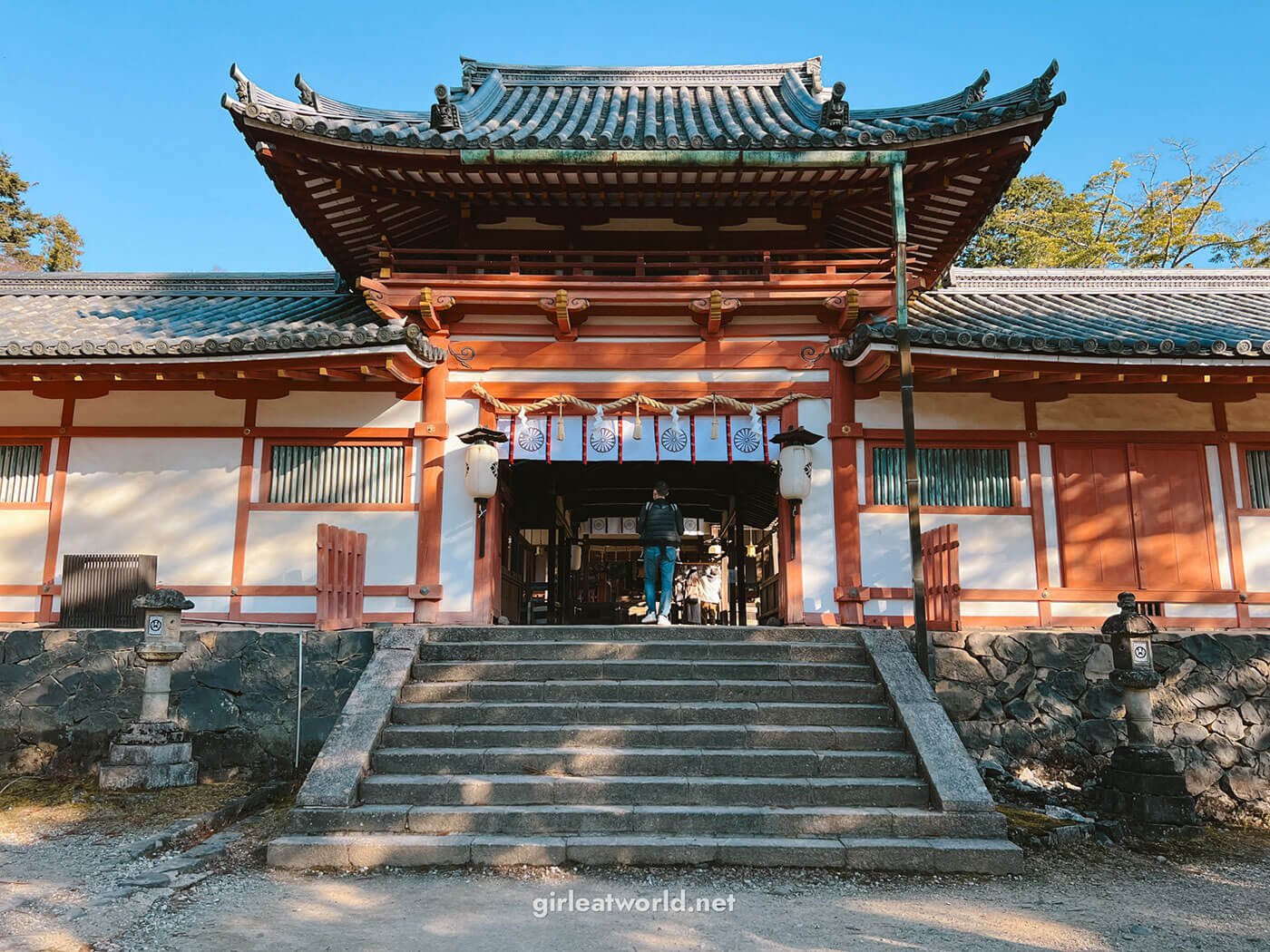
游览完寺庙后,前往南大门(南门),有机会与梅花鹿互动。大门附近有专门出售梅花鹿爱吃的仙贝的店铺。最后,您可以前往春日大社,然后返回奈良站,结束一天的行程。
➡️小贴士:阅读我的奈良一日游行程指南,了解更多我上面提到的旅行小贴士!
奈良住宿推荐
与京都类似,如果去奈良旅游,我也建议住在大阪。不过,如果您想放慢旅行节奏,住在奈良,以下是一些不错的选择:
第9至10天:大阪
大阪是日本最大的都市之一,仅次于 东京。由于其优越的地理位置,大阪成为热门旅游目的地,游客可以从大阪出发进行多日游,前往京都和奈良等其他有趣的城市。
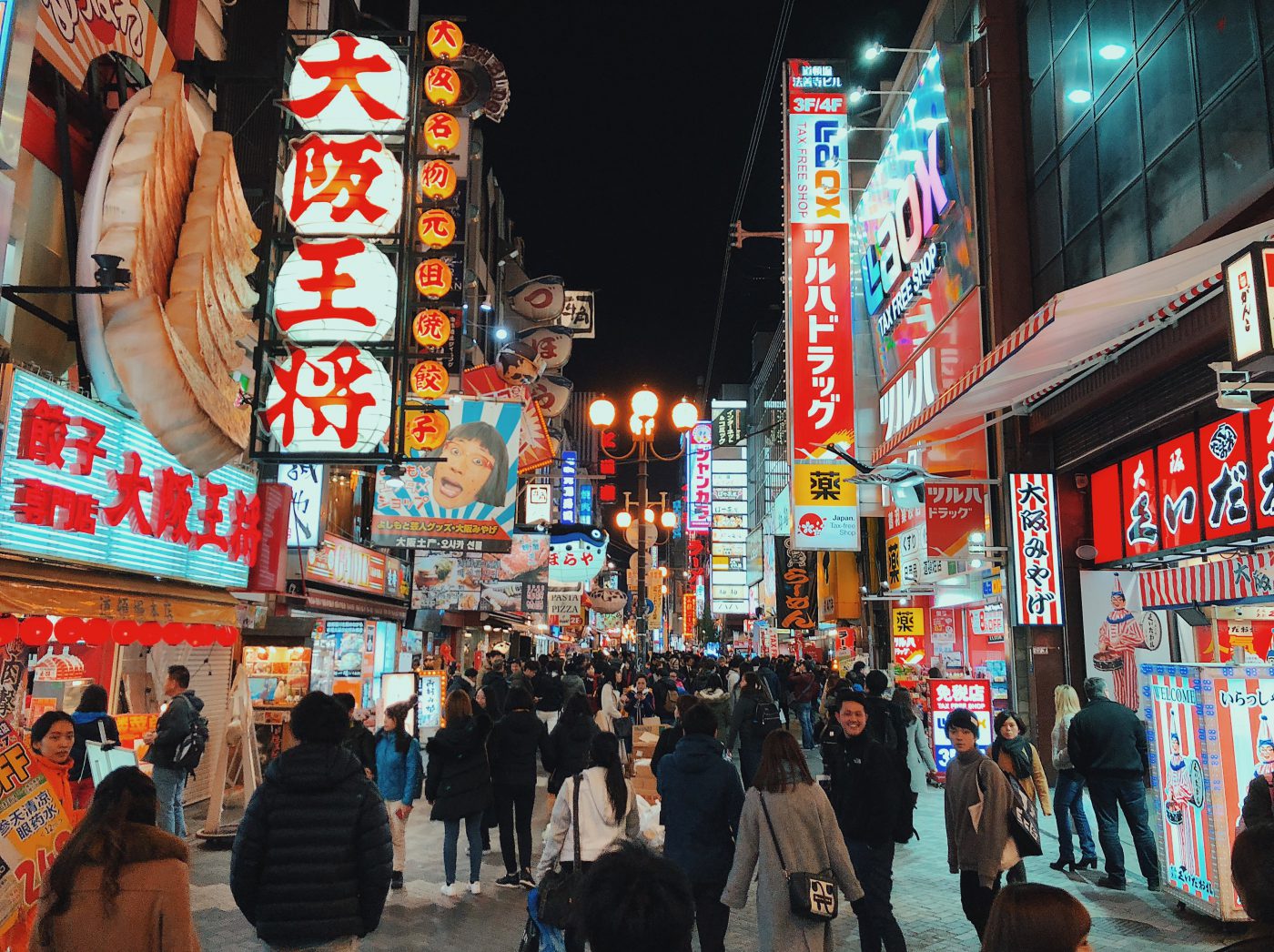
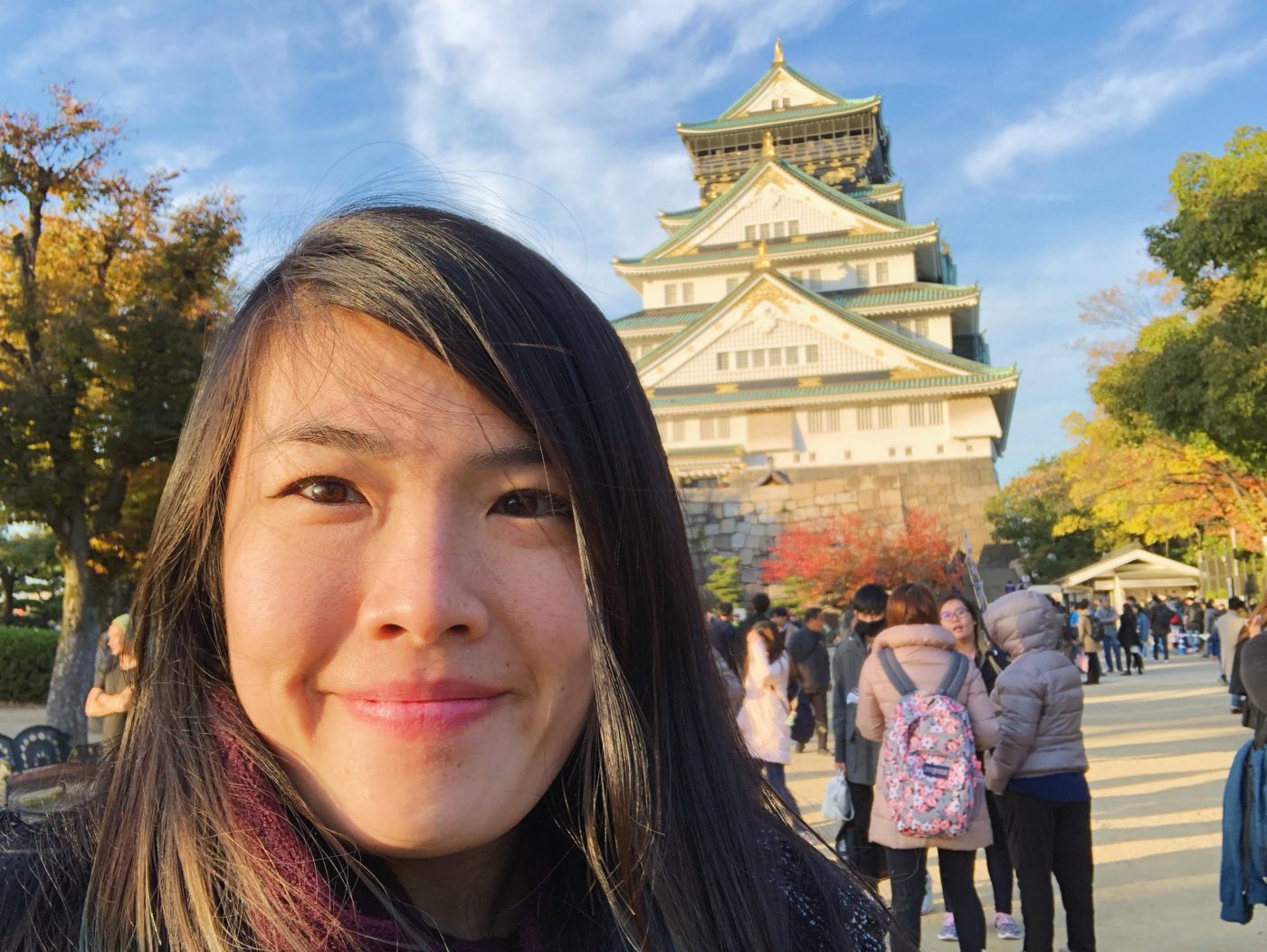

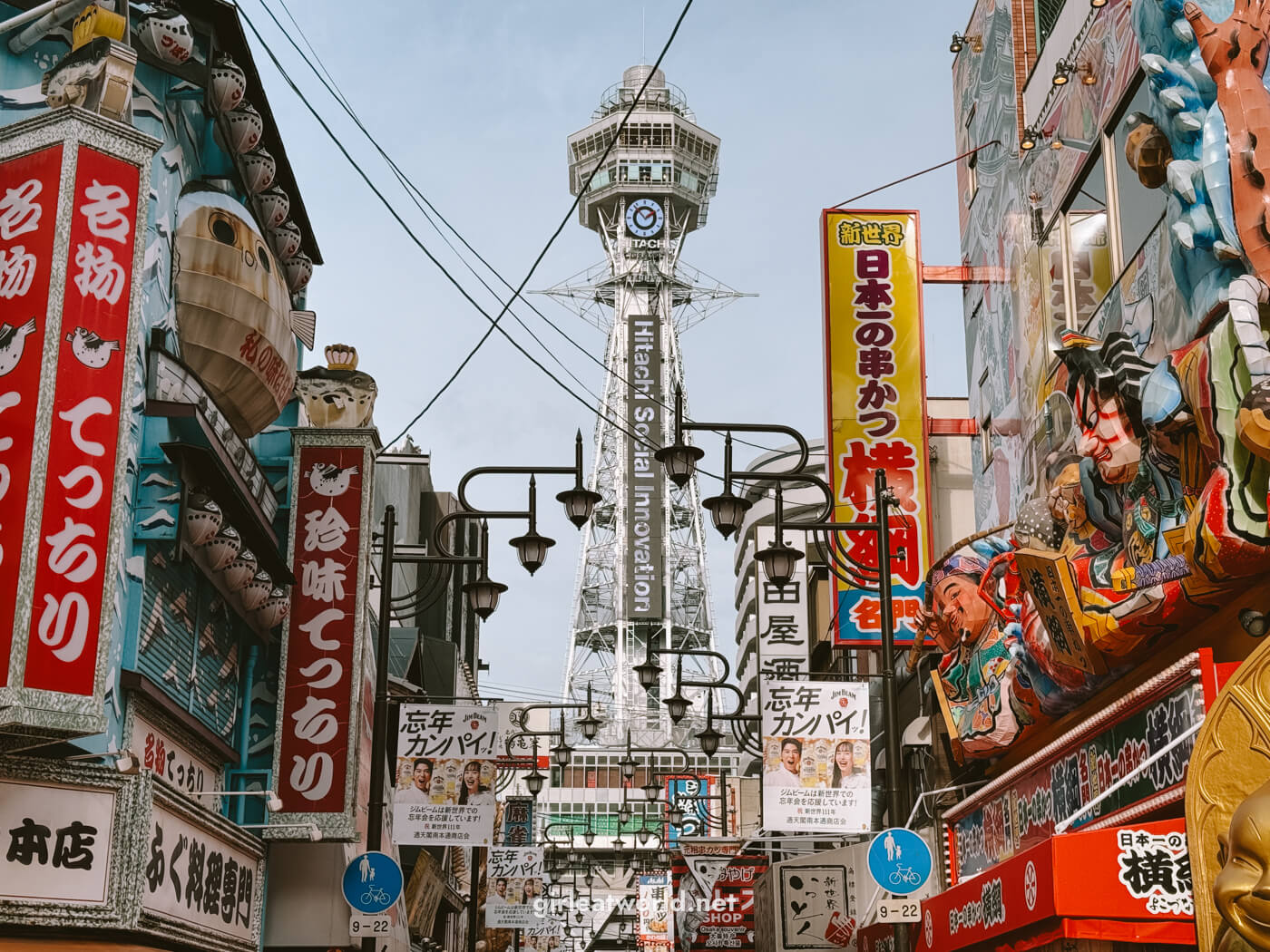
以下是您在大阪两天内可以做的事情:
第9天:探索大阪必游景点
以参观大阪城开启您的一天。大阪城所在的公园面积广阔,建议您预留一些时间在公园里漫步,尤其是在秋季。参观完大阪城后,您可以前往电话街。电话街类似于东京的秋叶原,但规模较小。夜幕降临后,您可以前往道顿堀,体验充满活力的夜生活,并了解大阪为何被称为“日本的厨房”。别忘了尝尝章鱼烧!
第十天:从高空俯瞰大阪
前往新世界,登上充满复古气息的通天阁。我建议您额外支付少量费用,登上顶层观景台。著名的难波八坂神社也在附近。之后,您可以去体验第一天错过的其他活动。我推荐大阪水族馆或杯面博物馆。如果您提前做好计划,还可以参观三得利威士忌酒厂,但需要提前预订。
➡️小贴士:查看我的“大阪旅游攻略”帖子,了解我上面提到的所有内容的更多信息!
大阪住宿指南
- Zentis Osaka in Umeda ($$)
- 大阪洲际酒店 ($$$)
- 大阪诺姆酒店 ($$)
- Umedaholic ($$)
阅读更多与大阪相关的文章
日本其他值得一游的地方
如果你在日本停留超过10天,并且想知道在日本可以做些什么——别担心,我来帮你!以下是一些你可以参考的建议:
1. 从东京出发的短途旅行
想把东京的都市生活与自然风光、寺庙参拜和乡村生活结合起来吗?好消息! 从东京出发,不到3小时就能到达很多地方。这些地方非常适合周末短途旅行,有些甚至可以作为一日游。
➡️ 快来看看: 我整理了一份 从东京出发的短途旅行推荐清单, 点击这里查看。你会找到所有我喜欢的、从东京出发交通便利的地方。
 100vw, 1400px” data-lazy-src=”https://girleatworld.net/wp-content/uploads/2023/02/fuji-five-lakes-arakuyama-sengen-03.jpg” /></a></figure>
<figure class=)
 100vw, 1400px” data-lazy-src=”https://girleatworld.net/wp-content/uploads/2022/08/hakone-shrine-03.jpg” /></a></figure>
<figure class=)
 100vw, 1400px” data-lazy-src=”https://girleatworld.net/wp-content/uploads/2019/09/nikko-national-park-03.jpg” /></a></figure>
<figure class=)
 100vw, 1400px” data-lazy-src=”https://girleatworld.net/wp-content/uploads/2023/12/kamakura-travel-guide-2-daibutsu-kotokuin.jpg” /></a></figure><figcaption class=) 这篇文章介绍了一些从东京出发的最佳短途旅行路线。
这篇文章介绍了一些从东京出发的最佳短途旅行路线。2. 从大阪出发的短途旅行
大阪的魅力不仅在于其城市本身。凭借日本四通八达的铁路网络,大阪也是前往关西地区众多目的地的理想出发点。从 京都的标志性寺庙到奈良 的自由漫步的鹿群 ,从大阪出发,您可以选择丰富的短途一日游或短途旅行路线。
➡️ 大阪周边短途旅行: 我在这里列出了我最喜欢的几条 大阪周边短途旅行或一日游路线 ,这些路线都可以在一小时甚至更短的车程内到达!快来看看你最想去哪条路线吧!
 100vw, 1400px” data-lazy-src=”https://girleatworld.net/wp-content/uploads/2024/08/hiroshima-itsukushima-shrine.jpg” /></a></figure>
<figure class=)
 100vw, 1400px” data-lazy-src=”https://girleatworld.net/wp-content/uploads/2024/08/himeji-castle.jpg” /></a></figure>
<figure class=)
 100vw, 1400px” data-lazy-src=”https://girleatworld.net/wp-content/uploads/2024/08/minoh-katsuoji-daruma.jpg” /></a></figure>
<figure class=)
 京都、奈良、姬路、箕面……这些都是从大阪出发的最佳短途旅行目的地。
3. 长野县自驾游行程
如果您喜欢自驾游和探索山区,这条路线非常适合您。从东京出发,行程轻松便捷,大约需要五天时间。您将有机会欣赏到日本丰富的自然风光,并游览轻井泽和松本等小城市。
🚗 长野自驾游攻略:查看我的长野县行程安排,获取长野游玩灵感。
 100vw, 1400px” data-lazy-src=”https://girleatworld.net/wp-content/uploads/2023/05/karuizawa12.jpg” /></figure>
<figure class=)

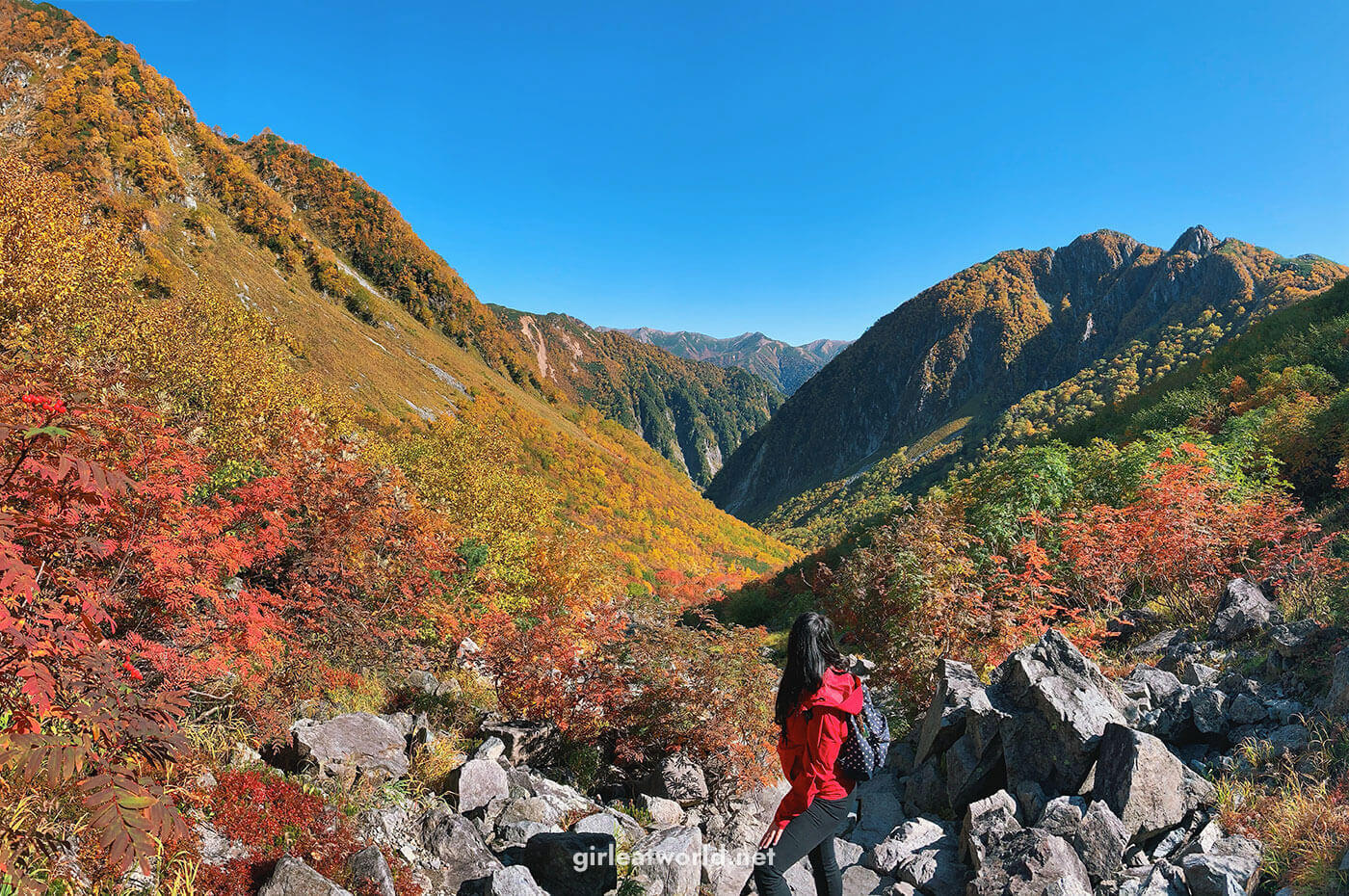
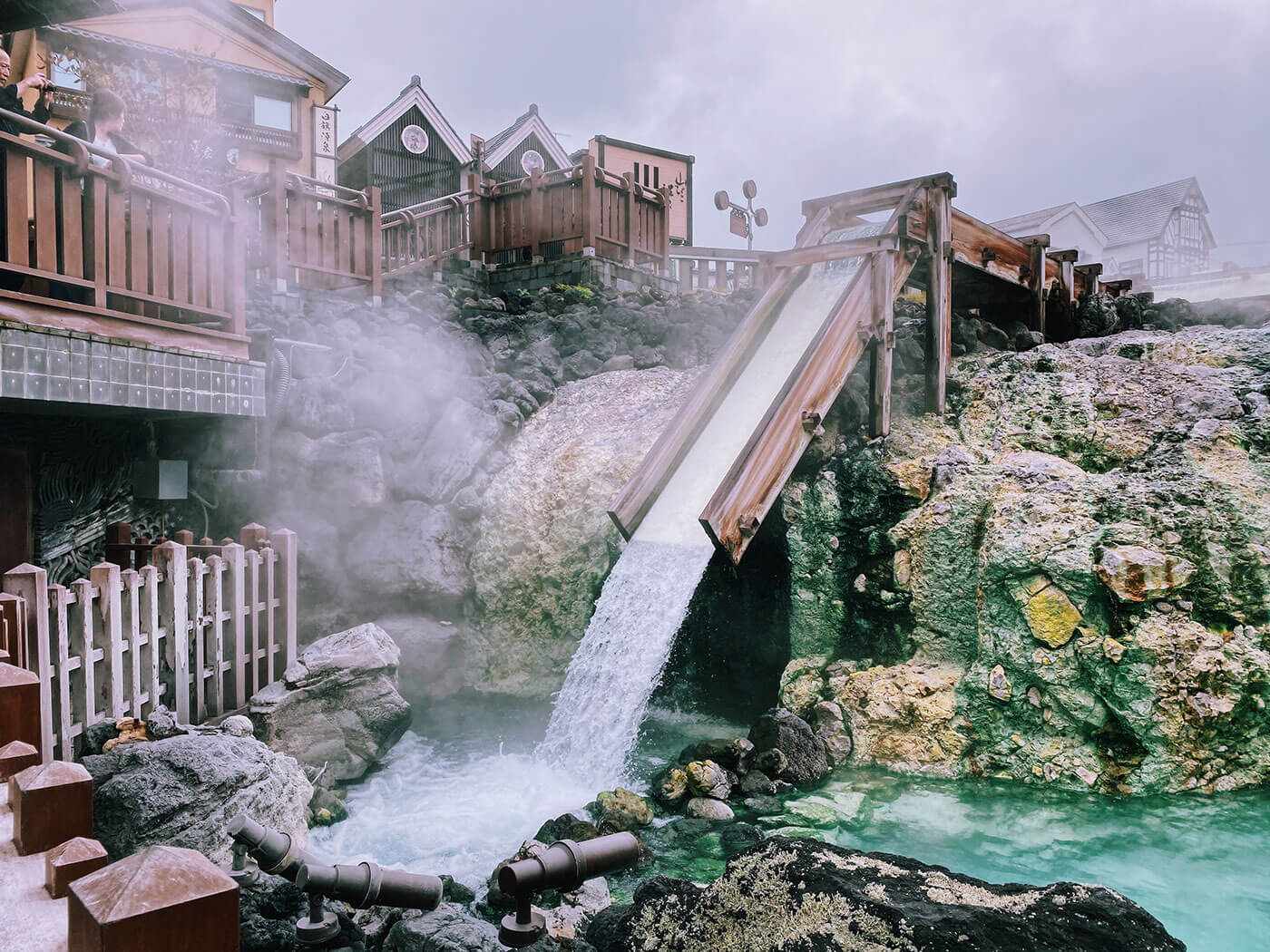
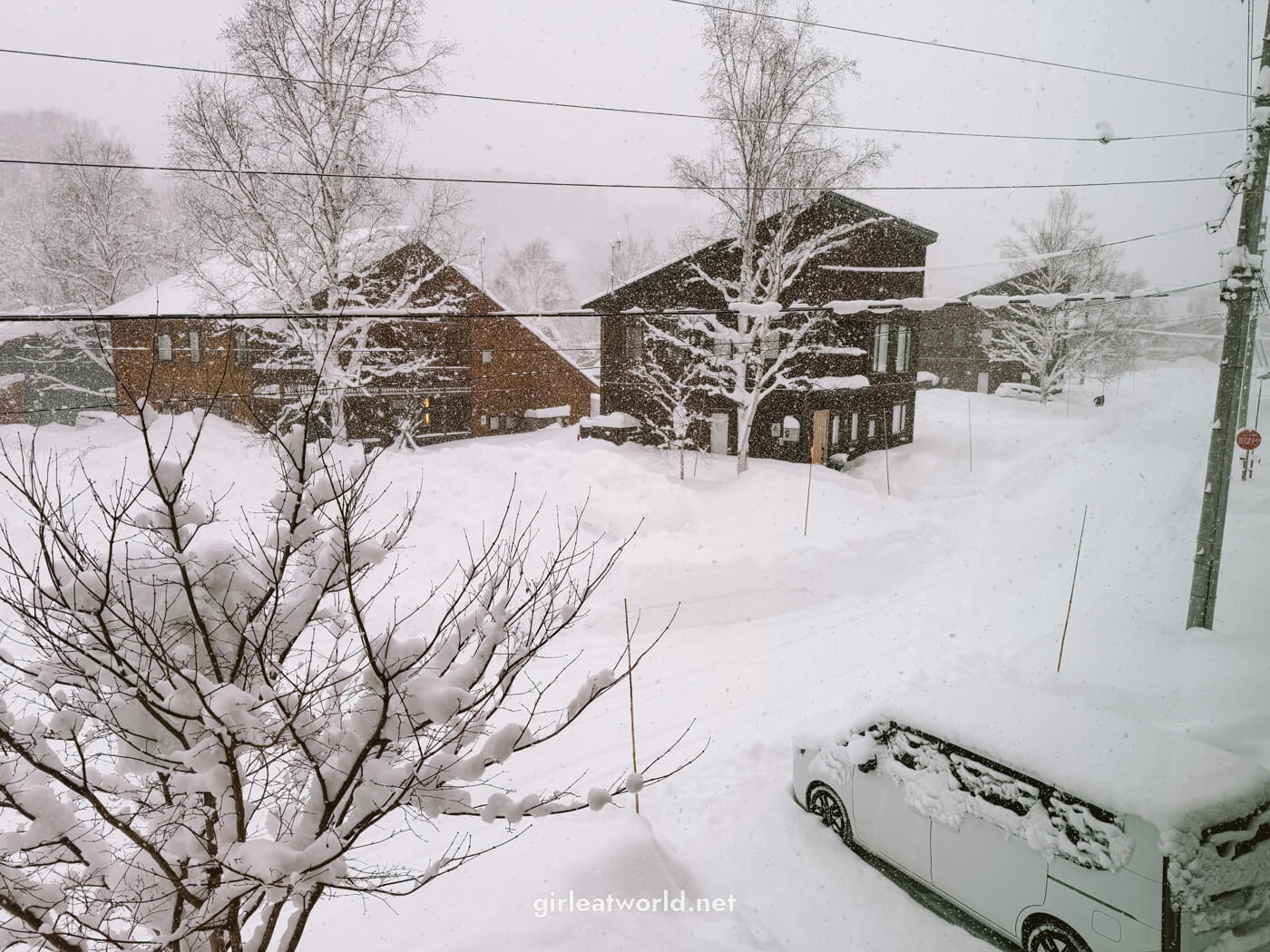
4.北海道
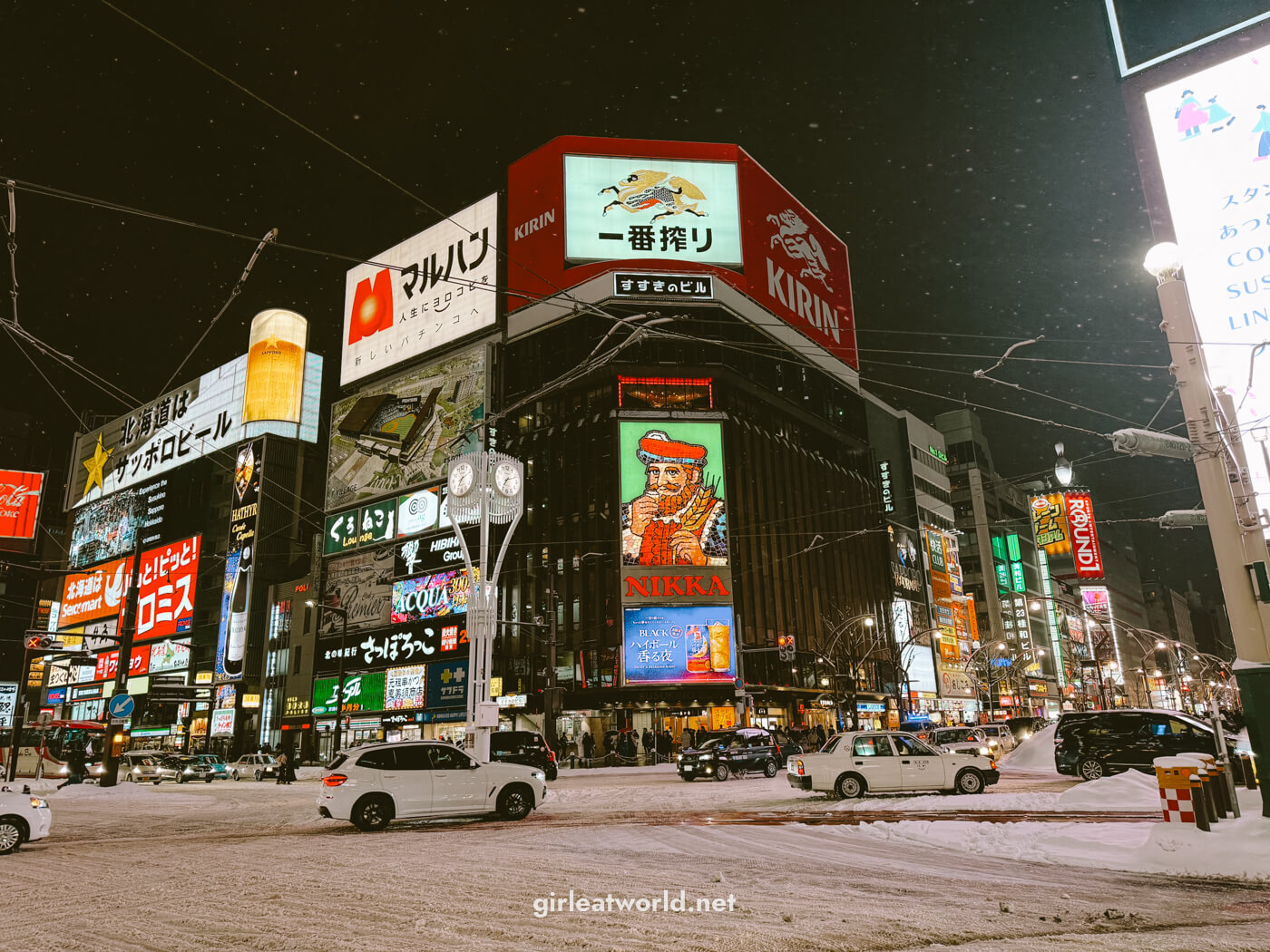
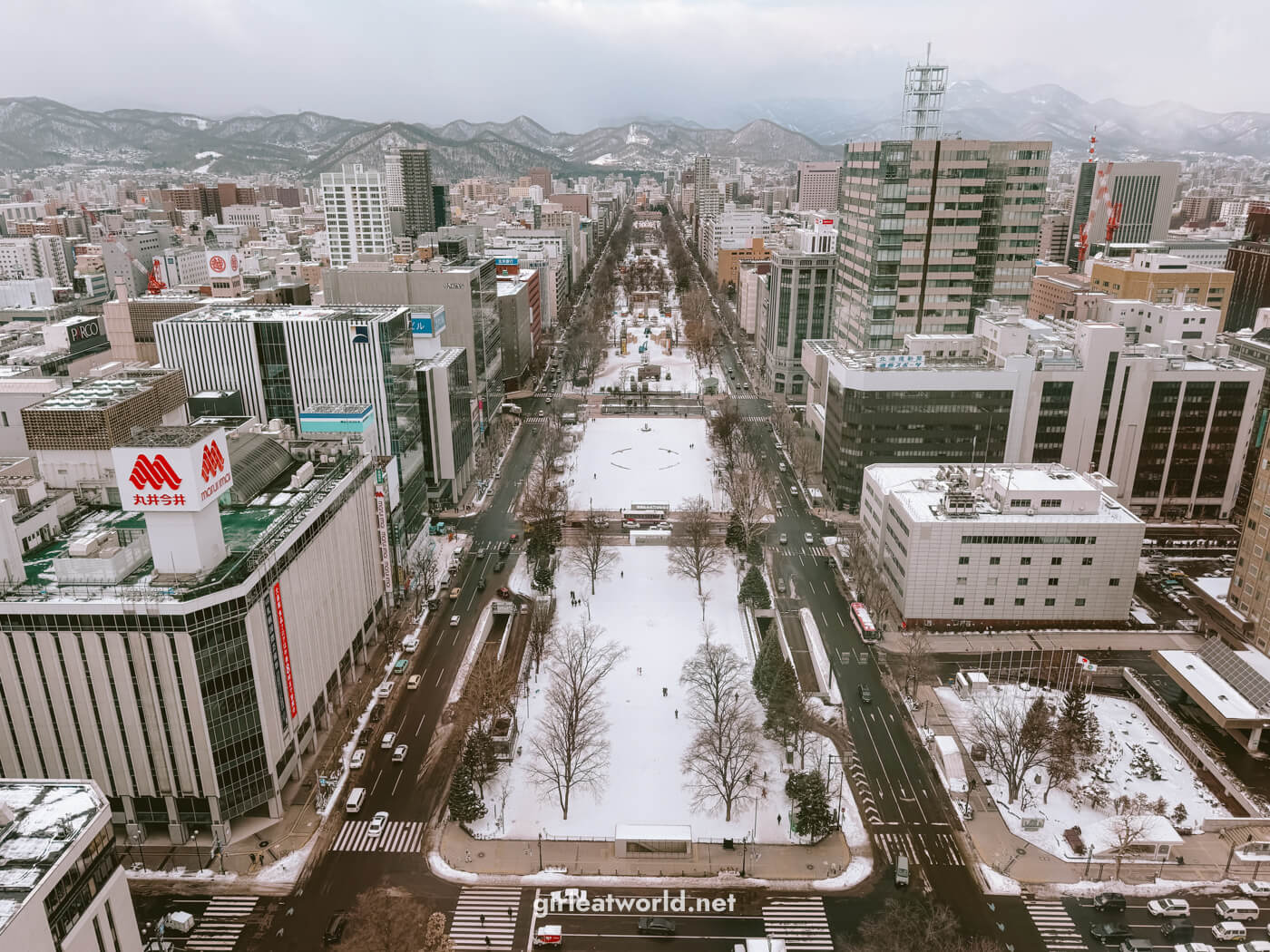
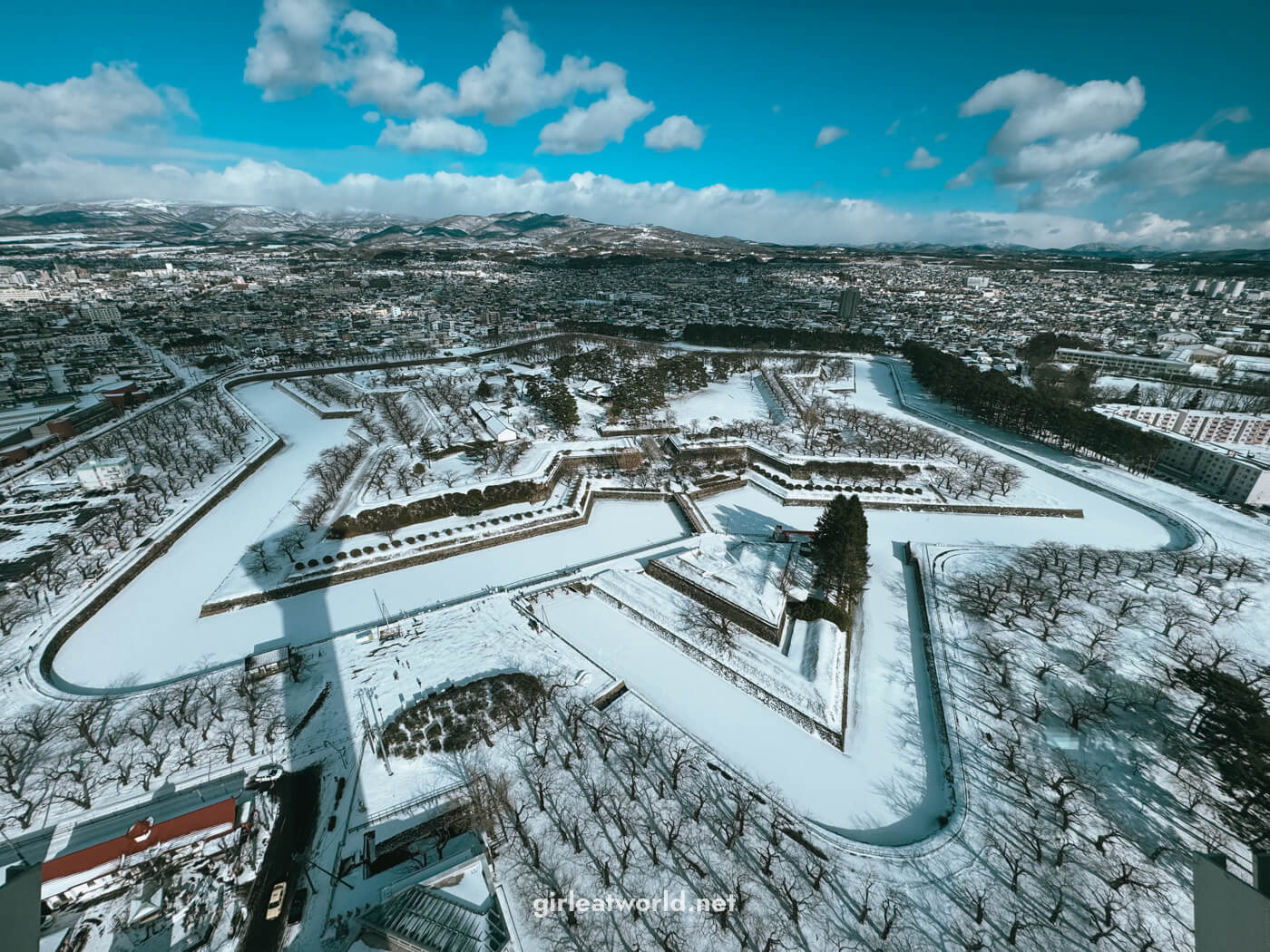
北海道是日本最北端的岛屿。冬季,北海道尤其受滑雪爱好者欢迎,札幌还会举办冰雪节。
北海道旅游攻略:查看我的北海道游记,获取更多旅游灵感和游玩攻略。
5.九州
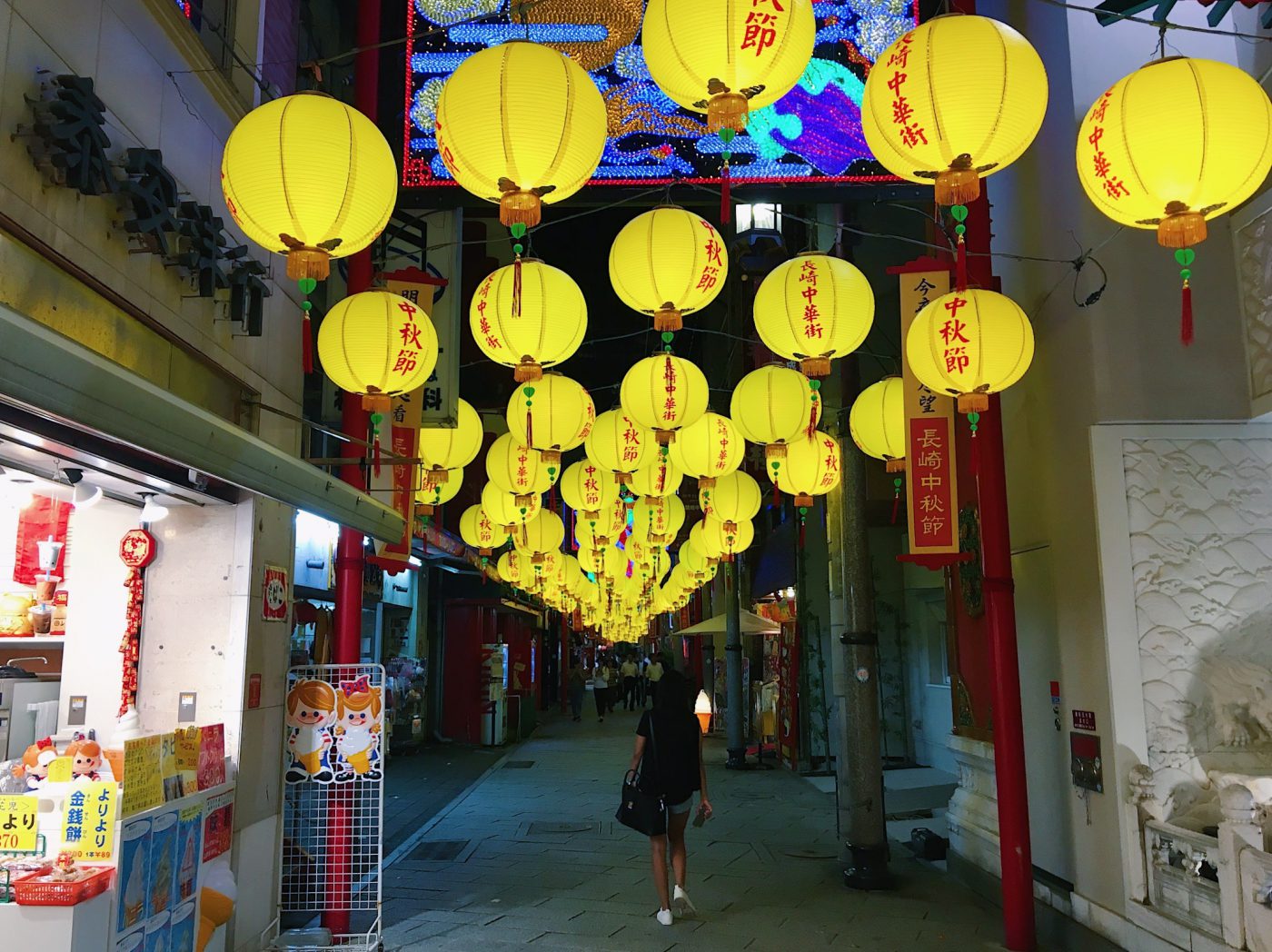
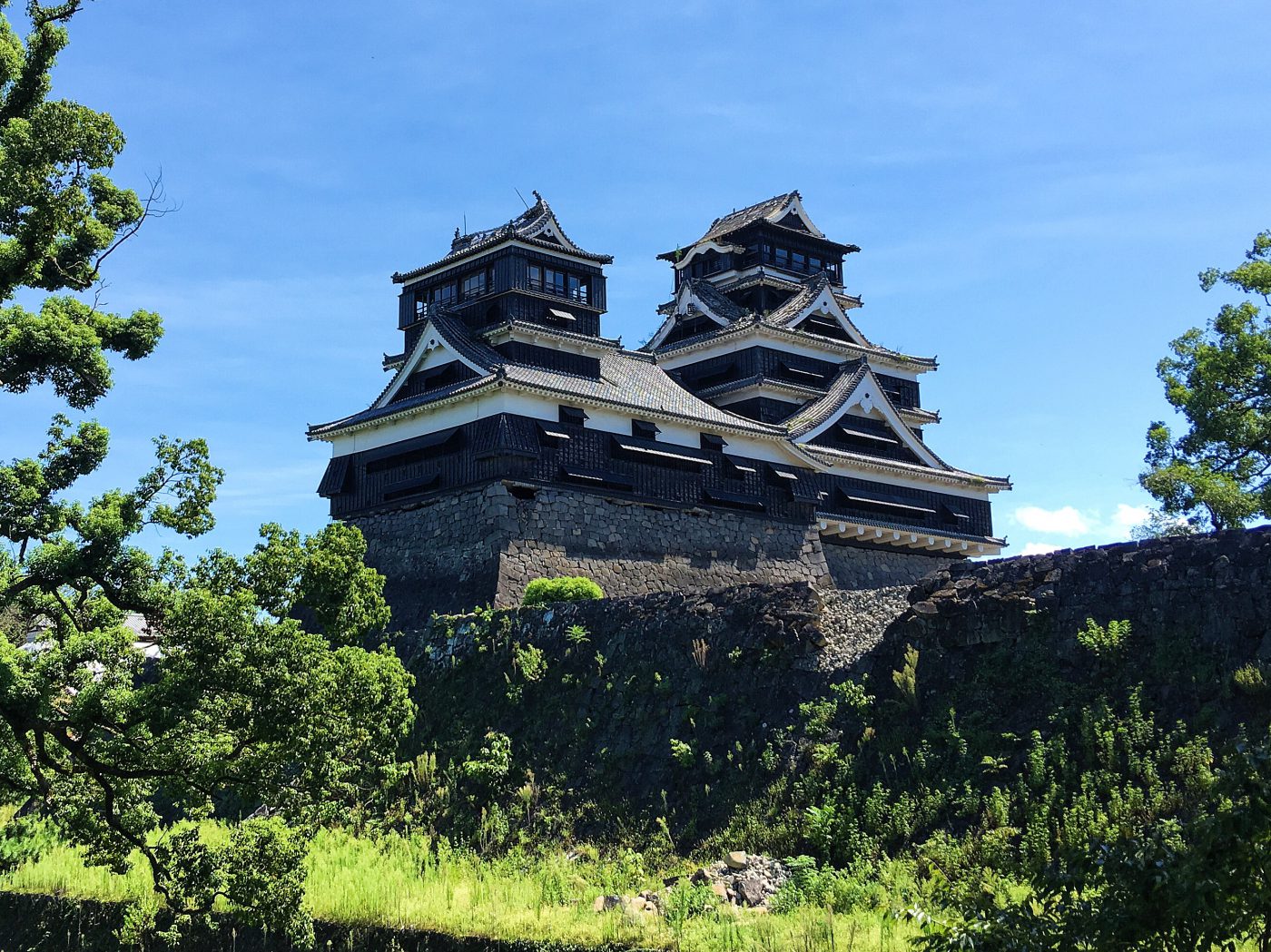
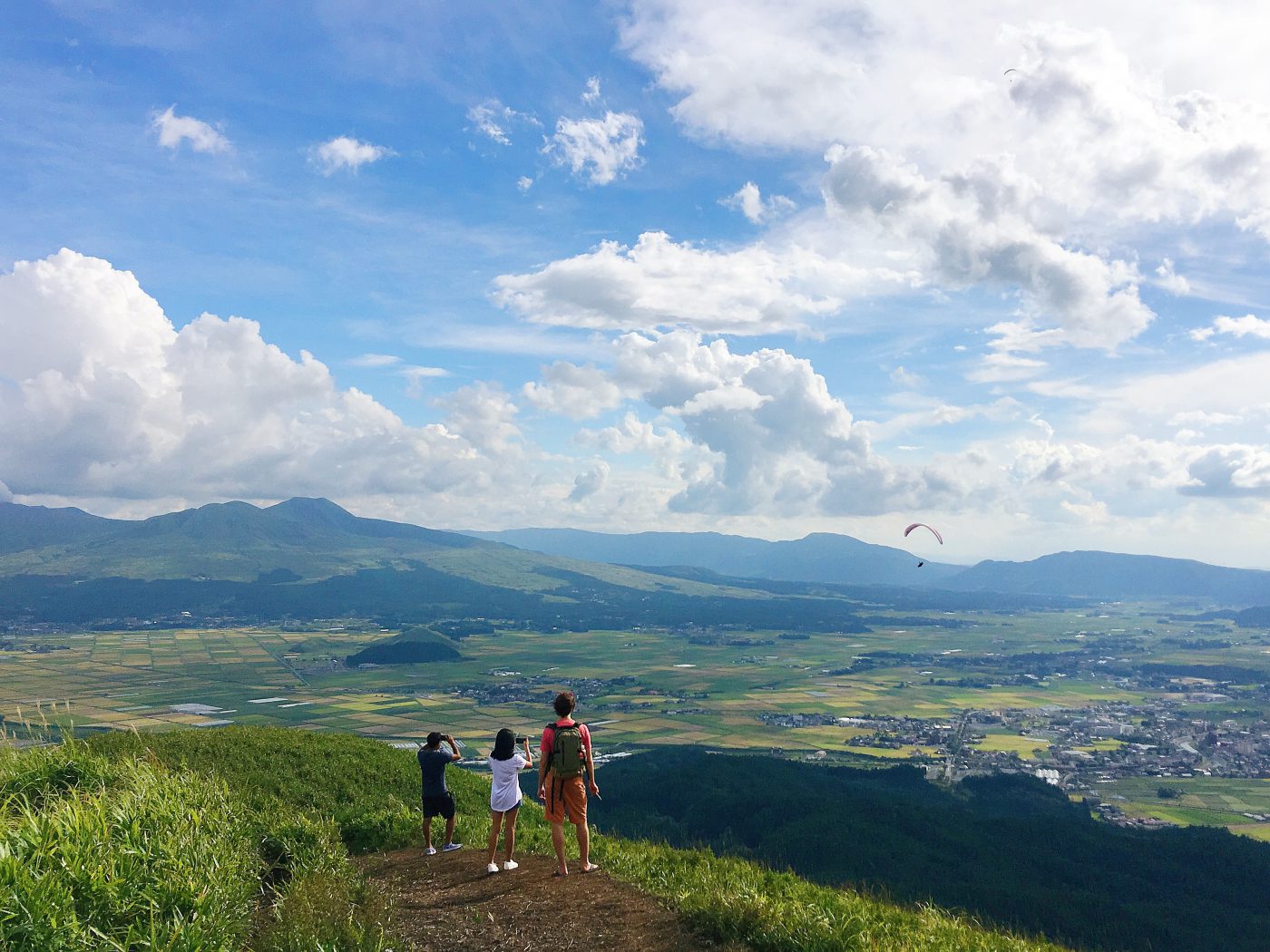
如果您真的不想看到其他国际游客,可以考虑去日本南部的九州县。与东京和大阪相比,这里相对平静一些。您可以从福冈(福冈有国际机场)出发,然后慢慢游览九州,例如熊本、长崎和鹿儿岛等等。
以下是我为期7天的九州行程安排,全程可乘坐火车完成。
6.直岛
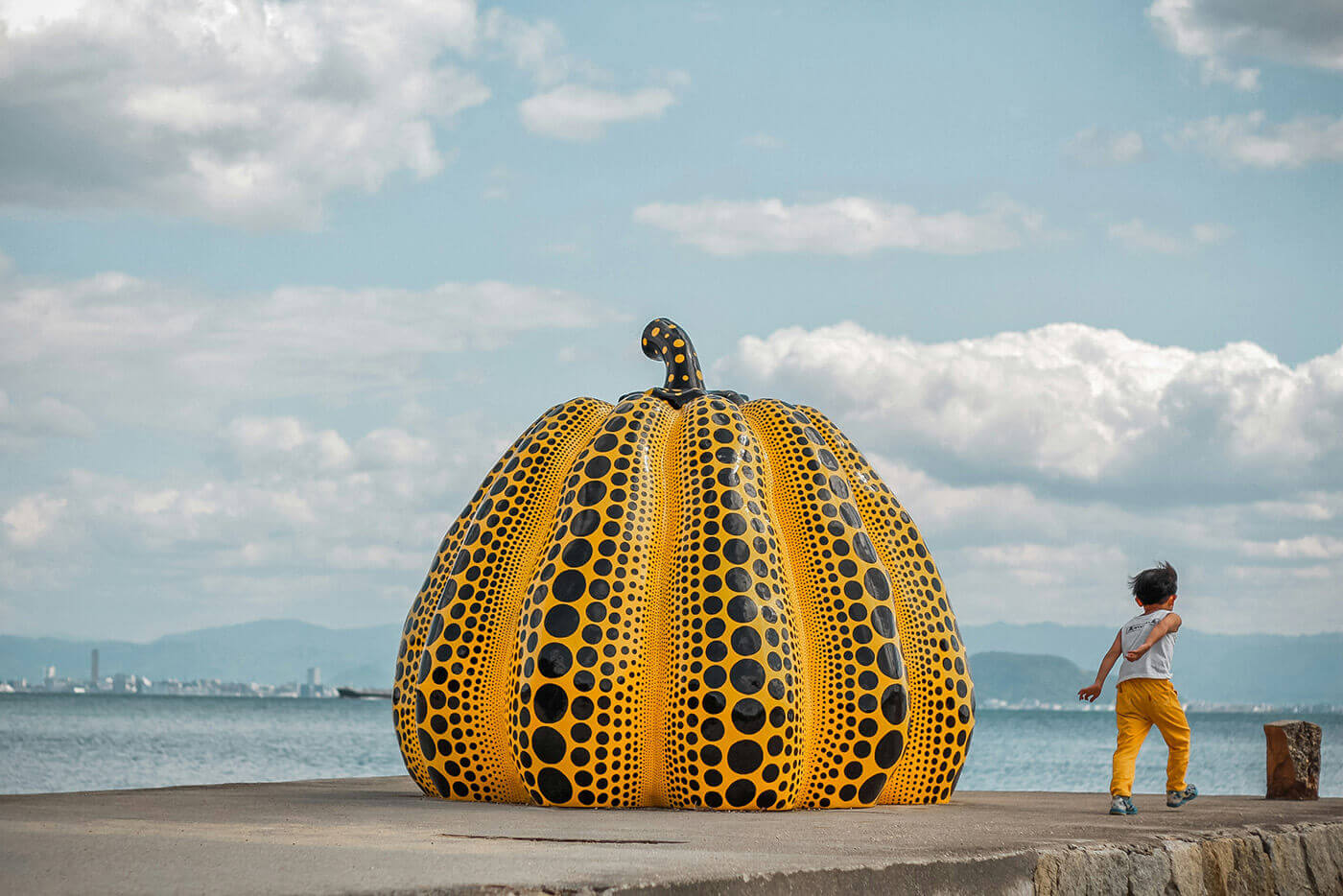
直岛是冈山县附近的一座岛屿。如果您热爱现代艺术,直岛绝对不容错过。岛上遍布着众多美术馆和艺术博物馆。大多数游客会花两天时间游览所有景点。但我必须提醒您,前往直岛并非易事。您需要先从大阪乘坐新干线到冈山,再换乘当地列车到宇野,最后搭乘渡轮才能到达直岛。
7.四国88寺参拜
想要在日本寻找一处真正与世隔绝的去处,不妨考虑四国岛。四国是日本四大主岛中面积最小的岛屿。这里以八十八寺巡礼(四国遍路)而闻名,这是一条环绕全岛1200公里的环岛路线,沿途可以参拜八十八座寺庙,品尝当地美食,入住传统民居。徒步走完全程大约需要六周,乘坐巴士则需要九到十二天,但您不必走完全程。最佳巡礼时间为三月至五月或十月至十一月。
日本吃什么
我认为日本的魅力之一在于其饮食理念。在日本,食物不仅仅是维持生命必需的,更是一种享受。因此,你会发现,在日本用餐往往是一种特别的体验——从食材的选择到每道菜背后的文化内涵,都别具匠心。
大家都知道拉面和寿司,但日本料理远不止这两种菜肴。

评论(0)